
In a surprising move that has caught the attention of the tech industry, Ola Electric, primarily known for its electric scooters and ride-hailing services in India, has announced its ambitious entry into the AI hardware market. This bold step aligns with India’s growing aspirations in artificial intelligence.
Ola Electric has unveiled plans for a family of AI chips, with the first set scheduled for launch in 2026. This inaugural lineup includes three distinct models: Bodhi 1, Ojas, and Sarv 1. Among these, Bodhi 1 stands out as the first AI chip designed and manufactured in India, a significant milestone for the country’s tech industry.
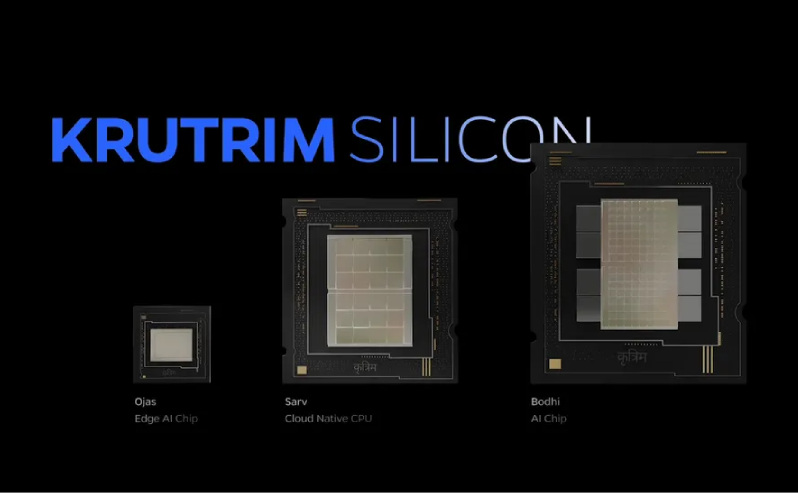
Bodhi 1 is specifically engineered for AI inferencing, positioning it as a strong contender in large language models (LLMs) and applications requiring high-performance vision processing. Ola Electric claims that Bodhi 1 excels in power efficiency, a crucial factor given the escalating energy demands of AI systems.
The second chip, Ojas, is designed to meet the growing demand for edge AI solutions. This chip is adaptable for a wide range of applications across automotive, mobile, and Internet of Things (IoT) sectors. Ola plans to incorporate Ojas into its future electric vehicles, potentially managing critical features such as charging optimization and advanced driver assistance systems (ADAS).
Completing the trio is Sarv 1, a general-purpose server CPU built on the Arm instruction set. This chip is specifically engineered to address the escalating AI computing demands within the data center industry.

The company showcased impressive performance and power efficiency benchmarks. In a bold move, Ola directly compared its chips to Nvidia GPUs, a current industry leader in AI hardware. However, industry analysts have noted some crucial omissions in the presentation. While the comparisons were attention-grabbing, Ola did not specify which Nvidia GPU model was used as the benchmark.
Furthermore, Ola has yet to disclose information about the fabrication process for these chips. The choice of semiconductor fabrication facility is critical in chip production, affecting performance and cost. These missing details have led to some skepticism among industry observers.
Stay Connected with ProPakistani
Get the latest tech news, telecom insights, and product launches wherever you prefer.
Add ProPakistani to Preferred Sources and see more of our stories in Google Search and Top Stories.












