
Sindh Health Minister Dr. Azra Fazal Pechuho announced a series of reforms on Wednesday to enhance the province’s healthcare system. These measures include tackling staff absenteeism, implementing biometric attendance systems in hospitals, and addressing the critical shortage of anesthesiologists.
During a press conference, Dr. Azra outlined the steps being taken to upgrade healthcare services and resolve ongoing issues, such as the fake domicile scandal at Lyari’s Male College of Nursing and objections to the Human Milk Bank initiative.
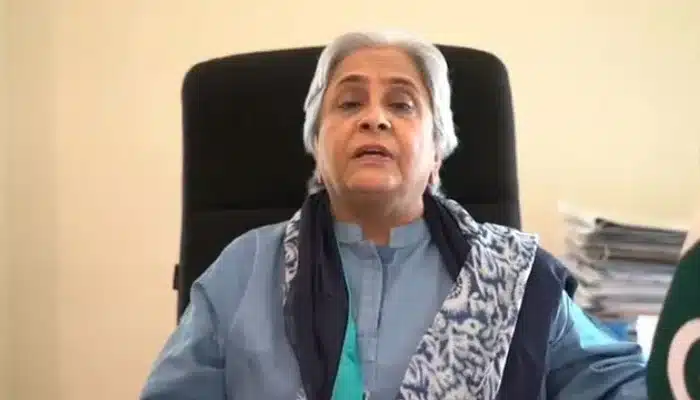
To combat chronic staff absenteeism, the minister confirmed that biometric systems would be introduced in all hospitals across Sindh. Additionally, teaching hospitals will soon have simulation labs to improve practical training for medical professionals.
Dr. Azra also noted that the Sindh Public Service Commission had begun recruiting doctors, with the hiring of paramedics and other staff to follow pending court orders. Funds for medication at Jinnah Hospital would be released soon, and measures to prevent future shortages were being put in place.
Regarding the fake domiciles scandal at Lyari’s Male College of Nursing, the health minister confirmed that an inquiry was ongoing, and strict action would be taken against those responsible. She added that students with fake domiciles had been expelled, and health department officials involved would also be held accountable.
On the topic of maternal and infant health, Dr. Azra emphasized the importance of the Human Milk Bank, despite opposition related to the Islamic concept of milk kinship. The health department is working with the National Database & Registration Authority (NADRA) and the Council of Islamic Ideology to address these concerns, with proposals to amend the family tree system to reflect milk kinship.

Highlighting the health risks of formula milk, she warned it should only be used under a doctor’s supervision and stressed the importance of breastfeeding for newborns.
Turning to vector-borne diseases, Dr. Azra revealed that 140 PCR-confirmed cases of chikungunya had been reported this year, but malaria cases had significantly declined. She advocated for larvicide campaigns to prevent mosquito breeding, noting that fumigation alone is not enough.
Addressing the shortage of anesthesiologists, which has led to ICU closures in some hospitals, she announced that recruitment efforts had begun. She also proposed a system where anesthesiologists from private hospitals would handle cases in public hospitals to keep ICUs functional.
Dr. Azra further announced the recruitment of 17 medico-legal officers in Karachi, most of whom are women, and the upcoming upgrade of Civil Hospital, Karachi, with two new medical towers to be constructed.
Lastly, she discussed plans to expand Sindh’s e-pharmacy initiative, which ensures the transparent distribution of medicines. Initially launched at Civil Hospital, the program will soon extend to other hospitals across the province. Dr. Azra also confirmed that Sindh has not reported any Mpox cases but assured that the health department remains vigilant and prepared for any potential outbreak.
Stay Connected with ProPakistani
Get the latest news and stories wherever you prefer.
Add ProPakistani to Preferred Sources and see more of our stories in Google Search and Top Stories.