In a momentous recognition of their exceptional contributions to Pakistan cricket, four cricketing legends—Inzamam-ul-Haq, Misbah-ul-Haq, Mushtaq Mohammad, and Saeed Anwar—have been inducted into the Pakistan Cricket Board (PCB) Hall of Fame for 2024.
The announcement was made following an independent voting process conducted by an 11-member panel, which included PCB Hall of Famers, former and current international cricketers, and renowned journalists.
These cricketing icons will join an esteemed list of previous inductees, including legends like Abdul Qadir, Imran Khan, Wasim Akram, Javed Miandad, and Younis Khan, further cementing their legacy in the history of Pakistan’s cricketing achievements.
PCB Chair Mohsin Naqvi expressed immense pride in the inductees’ achievements, highlighting their lasting impact on both Pakistan cricket and the global game.
“On behalf of the Pakistan Cricket Board, I extend heartfelt congratulations to these four cricketing legends on their well-deserved inductions into the PCB Hall of Fame. This honor represents a tribute to their outstanding contributions to Pakistan cricket and to the global game,” said Naqvi.
Upcoming Hall of Fame Ceremony
The four legends will be formally inducted into the PCB Hall of Fame during the course of 2025. Each will be presented with a commemorative cap and a specially designed plaque, marking their permanent place in the annals of Pakistan’s cricketing history.
Inzamam-ul-Haq: Pakistan’s Run Machine

A towering figure in Pakistan’s cricket history, Inzamam-ul-Haq remains the leading run-scorer for Pakistan in One-Day Internationals (ODIs) with 11,701 runs. His 8,829 Test runs place him third in Pakistan’s Test run-scoring hierarchy. Notably, Inzamam was part of the historic 1992 World Cup-winning team and played pivotal roles in key victories, including his match-winning knock in the semi-final against New Zealand and the final against England.
As captain, Inzamam led Pakistan in 31 Tests and 87 ODIs, showcasing leadership qualities that will be remembered for generations. His contributions in the 2002 Test against New Zealand, where he scored 329, remain etched in history as one of the highest Test scores for Pakistan.
Misbah-ul-Haq: The Undervalued Hero
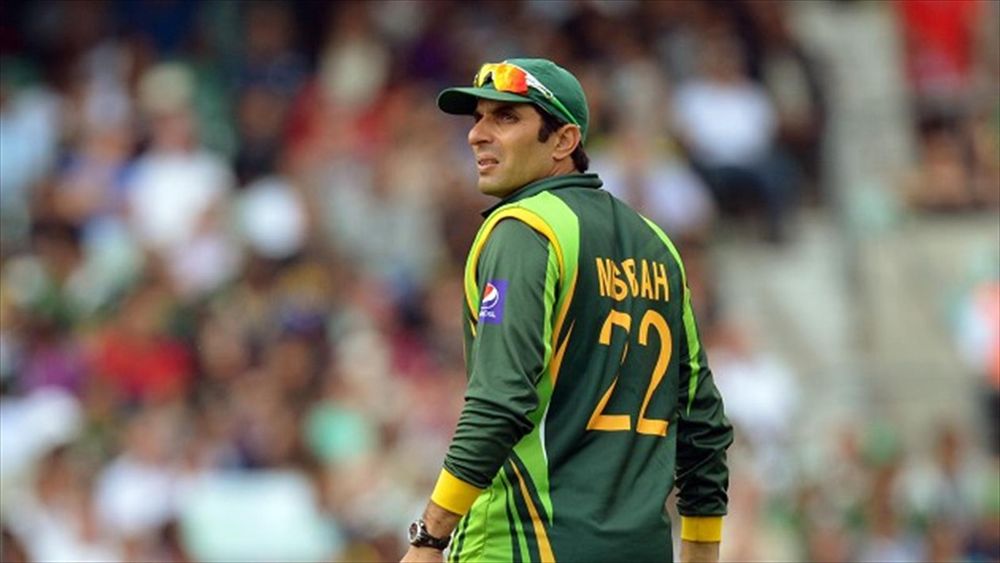
Misbah-ul-Haq, Pakistan’s most successful Test captain, led the team to numerous milestones, including achieving the No.1 spot in the ICC Test rankings in 2016. Misbah’s leadership extended to captaining Pakistan in 56 Tests, 87 ODIs, and 8 T20Is, solidifying his place as one of the most revered captains in Pakistan’s history.
His tenure was marked by his tactical acumen, including leading Pakistan to their only Test series victory in the West Indies in 2017. A stalwart in all formats, Misbah’s achievements both as a player and a captain have set a new standard for leadership in Pakistan cricket.
Mushtaq Mohammad: A Pioneer and Trailblazer
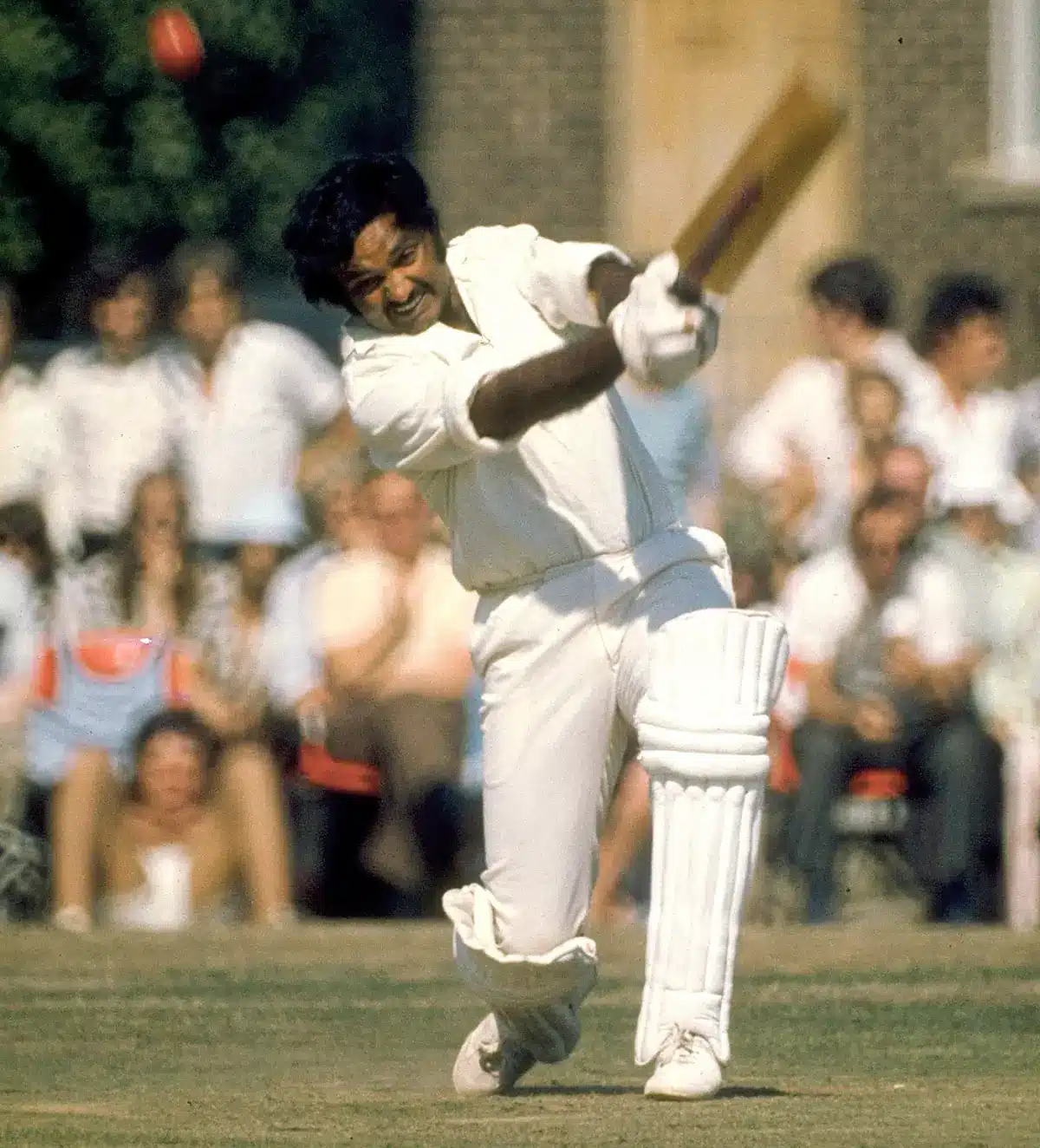
Mushtaq Mohammad, one of Pakistan’s finest captains, made history in 1977 by leading Pakistan to its first-ever Test win in Australia. His career spanned two decades, from 1959 to 1979, during which he played a pivotal role in Pakistan’s cricketing evolution. He remains the youngest player to represent Pakistan at the age of 15 and the youngest to score a century at 17.
Mushtaq’s all-around abilities saw him excel with both bat and ball, scoring over 3,600 runs and taking 79 wickets in 57 Tests. His innovative reverse sweep was one of the earliest adaptations in international cricket. In 1999, he coached Pakistan to the ICC Men’s Cricket World Cup final, further cementing his status as a legendary figure in Pakistan’s cricketing history.
Saeed Anwar: The Elegant Opener
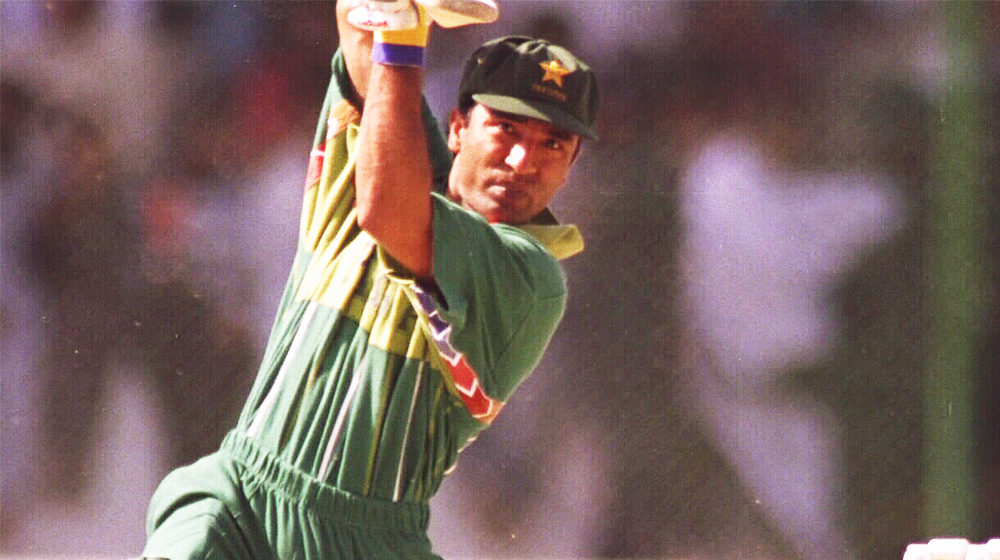
Saeed Anwar, known for his elegant stroke play, remains Pakistan’s leading century-maker in ODIs with 20 centuries. His career from 1989 to 2003 included several match-winning innings, including his unforgettable 194 against India in 1997, which broke Viv Richards’ record for the highest individual score in ODI cricket at the time.
Anwar’s consistency was key to Pakistan’s runs in the 1996, 1999, and 2003 ICC Men’s Cricket World Cups, where he was the team’s leading run-scorer. His 188 in the 1999 Test against India and his mastery against Sri Lanka and Australia solidified his place among Pakistan’s cricketing greats.
Stay Connected with ProPakistani
Get the latest sports news, match updates, and player stories wherever you prefer.
Add ProPakistani to Preferred Sources and see more of our stories in Google Search and Top Stories.