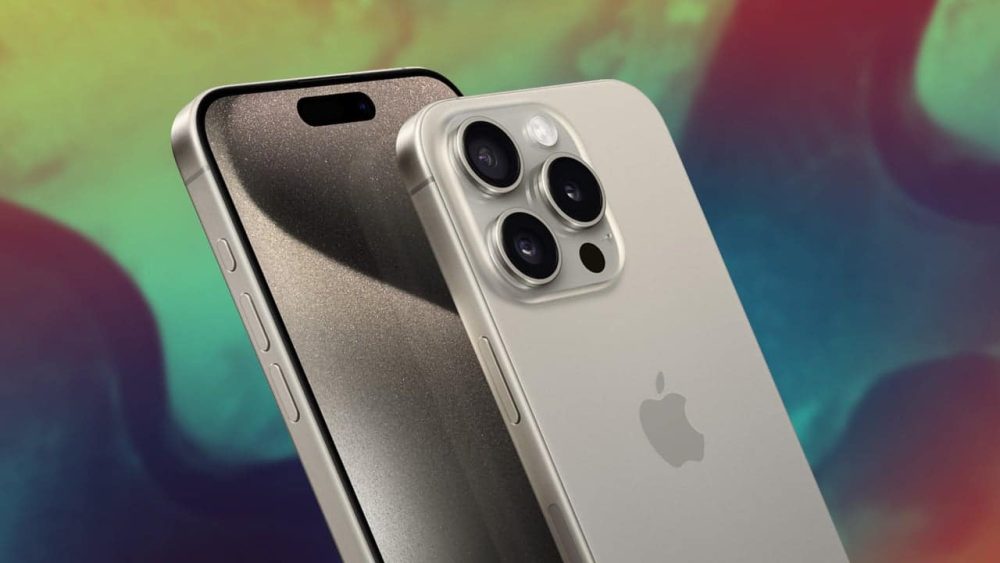
While Android manufacturers have long utilized vapor chambers (VC) for managing heat and preventing thermal throttling, Apple has traditionally relied on heat sinks for cooling its iPhones. However, a new report from China suggests that this year’s iPhone 17 series, including both Pro and non-Pro models, will adopt vapor chamber cooling systems for the first time.
How Vapor Chambers Work
Vapor chambers are sealed metal structures containing de-ionized water. When heat from the chipset is applied, the water evaporates, and the vapor spreads the heat across the chamber’s surface. This process helps cool the device more efficiently, as seen in flagship Android devices like the Galaxy S24 Ultra.
Conflicting Reports
The new report contradicts an earlier claim by Apple analyst Ming-Chi Kuo, who suggested that only the iPhone 17 Pro Max would feature VC cooling. If the latest rumors are accurate, Apple wukk implement this technology across its entire iPhone 17 lineup, marking a significant change in its approach to thermal management.

Additional iPhone 17 Features
In addition to improved cooling, non-Pro models of the iPhone 17 are expected to feature high-refresh-rate displays for the first time. While it’s unclear whether these screens will offer 90Hz or 120Hz, the upgrade would provide smoother visuals and align Apple’s mid-tier offerings with modern display standards.
Competitive Edge
Adopting vapor chambers across all iPhone 17 models would address ongoing concerns about heat buildup during intensive tasks, especially as chipsets become more powerful. This would greatly benefit gaming on new iPhones, especially since they can now run AAA games like Resident Evil Village.
As the iPhone 17’s release approaches, more details are expected to surface, potentially confirming this major shift in Apple’s hardware setup.
Stay Connected with ProPakistani
Get the latest tech news, telecom insights, and product launches wherever you prefer.
Add ProPakistani to Preferred Sources and see more of our stories in Google Search and Top Stories.













How about the starting price? Is it the same as iPhone 16?