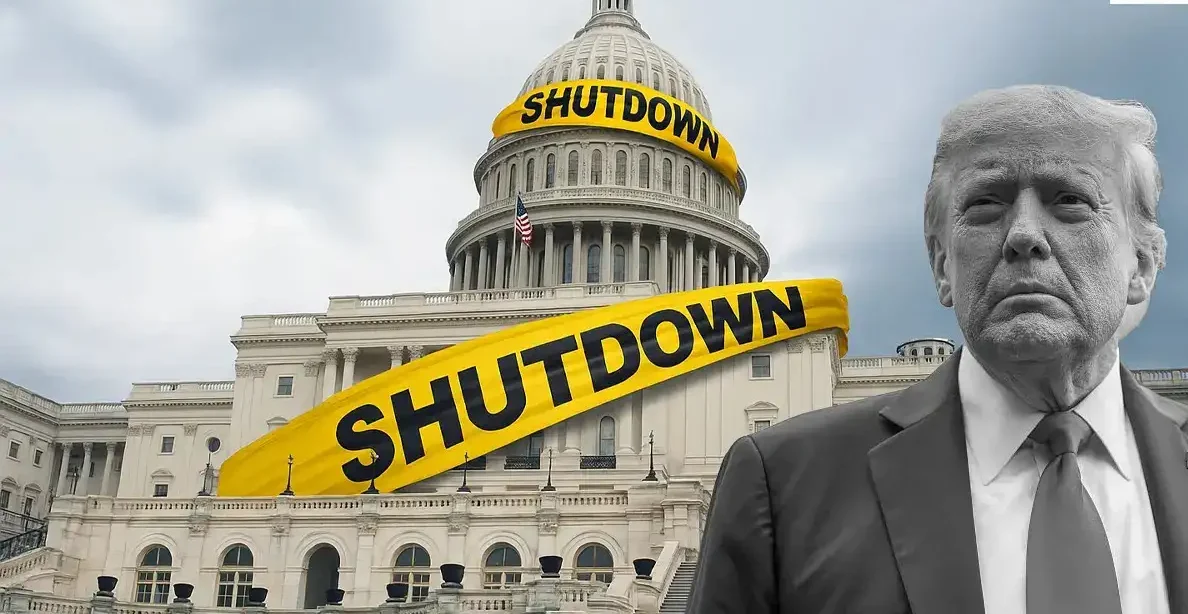
The United States government has entered a partial shutdown after lawmakers disagreed on a spending deal, leaving large parts of the federal system without funding. Until President Donald Trump and Congress reach a compromise, many government operations will continue to be disrupted.
Federal agencies have already instructed hundreds of thousands of employees deemed “non-essential” to stop working. This shutdown differs from earlier ones as Trump has hinted at further layoffs if Congress does not act. “We will be looking for opportunities to reduce the size of the federal government,” said White House budget director Russ Vought on Tuesday.
Why did the shutdown happen?
Congress is responsible for passing annual spending bills before the fiscal year begins on October 1. Typically, stopgap measures keep agencies funded temporarily, but this year the stopgap bill expired on September 30 without a replacement. The deadlock between Republicans and Democrats over extending funding has now forced many federal offices to close.
Key services during the shutdown
- Social Security, Medicare, Medicaid: Payments for retirees, people with disabilities, and healthcare beneficiaries will continue. However, the Social Security Administration will furlough about 12% of its staff and suspend outreach campaigns.
- Food assistance: The Supplemental Nutrition Assistance Program (SNAP) and the Women, Infants, and Children (WIC) program will keep operating as long as funds last, according to the Department of Agriculture.
- Postal service: Mail delivery remains unaffected since the US Postal Service is funded independently of Congress.
- Internal Revenue Service (IRS): The agency will remain fully staffed for at least five days. Longer disruptions may reduce its operations, but officials have not specified details.
- Air travel: Air traffic controllers and most Transportation Security Administration (TSA) staff will continue working but without pay until the shutdown ends.
- Federal courts: The judiciary can keep functioning until October 17, after which budget shortfalls may force cutbacks.
- Military: Around 2 million service members, along with National Guard forces deployed in US cities, will stay on duty without pay. Existing defense contracts remain valid, and new purchases for national security are still allowed.
- Law enforcement and borders: FBI, DEA, Coast Guard, Border Patrol, and customs officers will continue working. Immigration courts will also remain staffed, as illegal immigration has been declared a national emergency.
- Economic data: Official reports, including employment and GDP figures, will be delayed.
- Small businesses: The Small Business Administration will furlough nearly a quarter of its staff and stop approving new loans. Disaster-related assistance, however, will continue.
- Disaster response: FEMA has $2.3 billion in its relief fund, allowing it to respond to natural disasters, though about 4,000 staff will be sent home.
What’s next?
Unless Congress and the president resolve the funding impasse, essential workers will remain unpaid, and more services could face disruptions. The last major shutdown under Trump in 2018 lasted 35 days, the longest in US history.
Stay Connected with ProPakistani
Get the latest international news and global stories wherever you prefer.
Add ProPakistani to Preferred Sources and see more of our stories in Google Search and Top Stories.