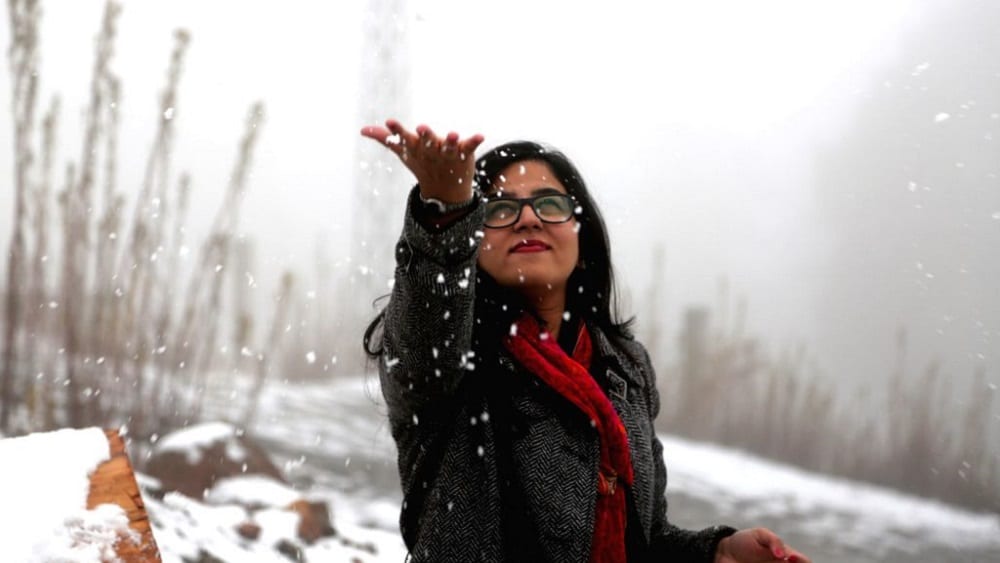
Authorities have announced that Murree’s snowfall season will officially run from December 15 to February 25, with a new and stricter snow management plan now in place.
Rawalpindi Commissioner Aamir Khattak and the Regional Police Officer will oversee winter operations. More snow-removal machinery, along with large reserves of salt and de-icing chemicals, has already been sent to Murree. A detailed winter safety advisory has also been released for visitors.
From December 15, 19 facilitation centers will start functioning. The fleet of snow-clearing vehicles has risen to 20, each working round-the-clock in three shifts, with two staff members on every shift.
Parking will not be allowed on any roads leading into Murree, nor on Mall Road or within local markets. Illegally parked vehicles will be sealed. Tourists will have access only to officially designated parking zones.
A military unit will remain on standby throughout the season. Teams from the NDMA, police, and Rescue 1122 will be deployed across the area, supported by additional traffic wardens and Civil Defense volunteers. All hotels have been instructed to keep heater charges uniform.
Hotel room rents will be checked daily by the district administration. Food outlets must clearly display prices. Official rates will also apply to horse riding, chairlifts, and other leisure activities, and authorities will take action against anyone charging extra. To ensure the safety of tourist families, police and Civil Defense personnel will patrol key points.
Entry into Murree from the motorway and GT Road will be closely regulated. Vehicles coming from KP and Azad Kashmir will also be counted. Once the maximum limit is reached, access from these routes will be temporarily shut down. Residents with local ID cards will retain unrestricted entry.
Tourists have been advised to carry drinking water, juices, dried fruits, milk, and metal snow chains for their cars. Families should bring warm clothing and blankets. Officials have also urged visitors to avoid using gas heaters inside vehicles or keep their use to a minimum, due to the risk of suffocation.
Stay Connected with ProPakistani
Get the latest automobile news, car launches, bike reviews, videos and analysis wherever you prefer.
Add ProPakistani to Preferred Sources and see more of our stories in Google Search and Top Stories.