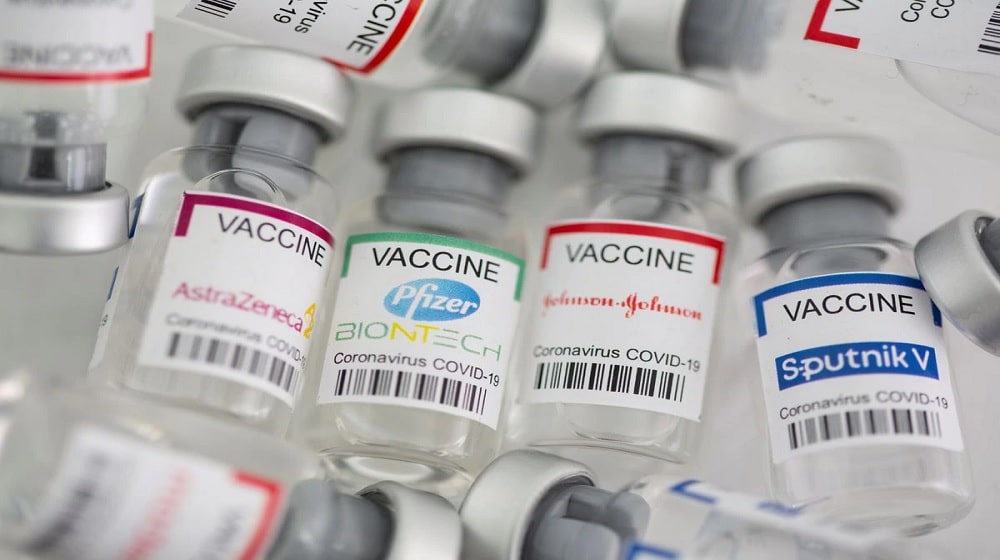
The government has finalised a draft national policy to promote local vaccine manufacturing, offering 10-year financial incentives and tax exemptions to attract investment and reduce Pakistan’s growing reliance on imported vaccines, official sources told ProPakistani.
Policy proposes a long-term concessional package for vaccine manufacturers, including tax relief, regulatory incentives and investment protection, as the country currently imports vaccines worth about $340 million annually, a figure projected to rise to $1.2 billion between 2030 and 2035 if local production is not developed.
According to the draft policy, vaccine manufacturing will be treated as a national health security priority, given Pakistan’s high population growth and public health needs. Sources said around 700,000 children are born every year across the country, making routine vaccination against diseases such as hepatitis, malaria and dengue very essential.
The policy proposes corporate tax relief for vaccine manufacturing companies, along with exemptions from customs duty and sales tax on machinery and equipment required for production. Input costs for local manufacturers will also be reduced to improve commercial viability.
Officials said investors will be offered investment allowances and protection, including mechanisms for compensation in case of losses. The policy also allows concessions on expenses related to vaccine development, clinical trials, and workforce training.
To ensure sustainability, the government plans to purchase locally produced, quality-certified, and regulated vaccines for up to 10 years, providing manufacturers with demand certainty. Sources said prices of locally produced vaccines will be kept lower than imported alternatives to reduce fiscal pressure and improve access.
The draft policy also proposes the establishment of a National Vaccine and Biology Fund to address financing gaps. Funding may be sourced from multilateral institutions such as the Asian Development Bank, the World Bank, the Islamic Development Bank, as well as domestic financing channels.
Sources said discussions will also be held with the International Monetary Fund and the Federal Board of Revenue to secure approval for tax exemptions and fiscal incentives under the policy framework.
Officials said the policy has entered its final stages and could be formally introduced by the government in the near future, marking a major step toward strengthening Pakistan’s healthcare resilience and reducing long term import dependence.
Stay Connected with ProPakistani
Get the latest business news, market insights, and economic updates wherever you prefer.
Add ProPakistani to Preferred Sources and see more of our stories in Google Search and Top Stories.