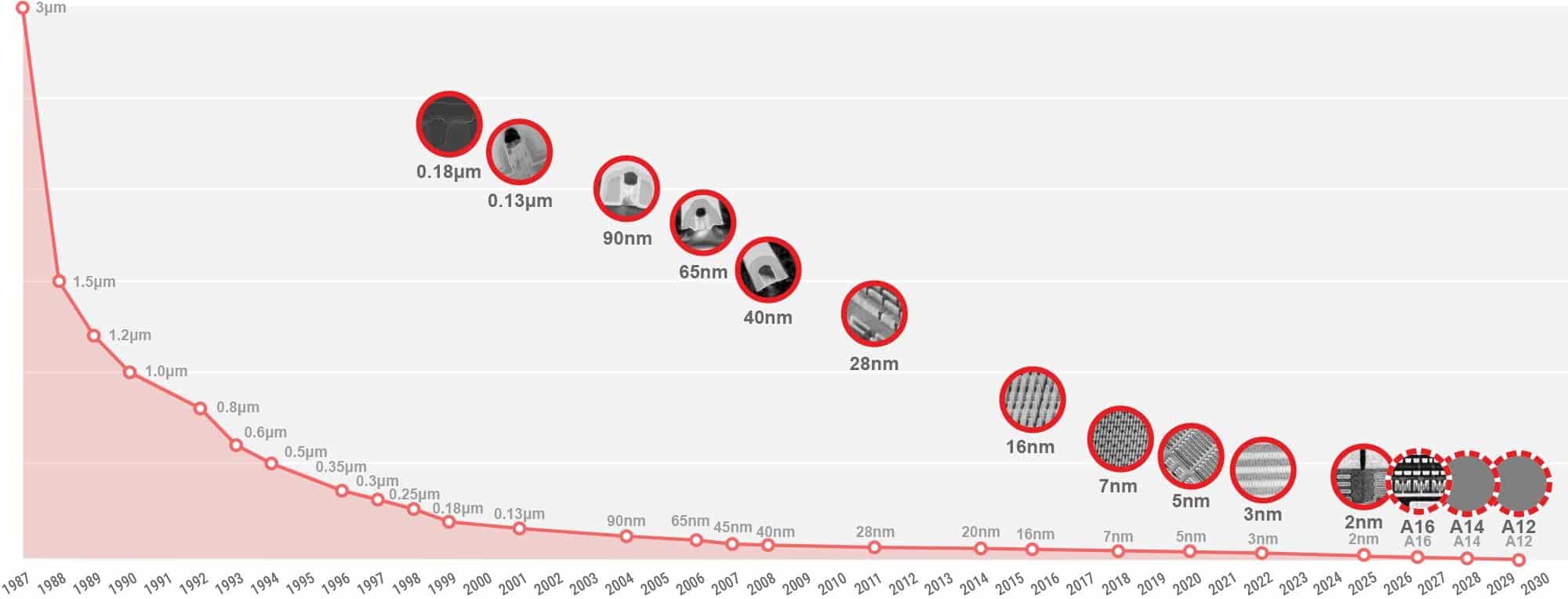
TSMC is reportedly preparing to raise chipmaking prices by up to 10 percent from 2027, a move that could increase costs for major customers including Apple, Nvidia, Qualcomm, AMD and Intel.
The planned increase was first reported by Nikkei Asia and later confirmed by Reuters through two sources familiar with the matter. The price hike is expected to cover both advanced and mature chipmaking processes.
According to the report, TSMC plans to raise prices for advanced chip production by around 5 percent to 10 percent, depending on the product and customer.
This matters because TSMC makes chips for many of the world’s biggest technology companies. Its customers include Nvidia, Apple, AMD, Qualcomm and Intel, meaning higher foundry costs could eventually affect smartphones, laptops, tablets, smartwatches, AI hardware and other devices.
The increase is not limited to cutting-edge nodes.
Mature processes such as 12nm, 16nm and 28nm are also expected to become up to 10 percent more expensive. These older nodes are still widely used in many consumer electronics, automotive chips, controllers and supporting components.
That means the impact may spread beyond high-end AI GPUs and flagship smartphone processors.
TSMC is reportedly linking the increase to higher material costs, more expensive manufacturing equipment, and the cost of building fabs outside Taiwan.
The company is expanding its global manufacturing footprint, including major overseas projects, which adds pressure to margins. JP Morgan analyst Gokul Hariharan also recently expected TSMC to raise prices by 8 percent to 10 percent in 2027 to protect margins while funding overseas expansion.
The price hike is expected to begin in early 2027.
Consumers may not feel the impact immediately because chip costs take time to move through supply chains. However, future phones, laptops, tablets, and wearables could become more expensive if brands pass the higher costs on to buyers.
A 10 percent foundry price increase does not automatically mean a 10 percent increase in device prices. But it could reduce discounts, raise launch prices, or limit hardware upgrades at the same price point.
The report comes as major chip designers are already exploring ways to reduce reliance on TSMC.
Apple has reportedly looked at diversifying chip production, while Qualcomm has been linked with a possible return to Samsung for some future chips. Intel is also trying to bring more production in-house as it pushes its own 18A manufacturing process.
However, TSMC remains the dominant foundry for advanced chips, especially for high-end AI and mobile processors. That gives the company strong pricing power, even as customers look for alternatives.
For now, the message is clear: chip production is getting more expensive, and the next wave of consumer devices may reflect that.
Get the latest tech news, telecom insights, and product launches wherever you prefer.
Add ProPakistani to Preferred Sources and see more of our stories in Google Search and Top Stories.