

 Desk
Desk

The internet in 2026 feels denser, not louder, ideas stacked until creators gasp for space. Creators juggle blogs, newsletters, threads, scripts, captions, pages, and emails. AI writing tools stop being toys and become extra hands. McKinsey estimates generative AI could add $4.4 trillion yearly, with content creation taking a share.
These AI text generator platforms help creators move from blank screens to structured ideas much faster as content demands grow.
Below are 7 AI writing tools every digital creator should try in 2026, not because they are shiny, but because they quietly change how work feels when you sit down to do it.
1. Wrizzle – Best AI Writing Tool
Wrizzle is an AI writer that feels built for real work, not casual playing around. Its slogan, “write smarter, not harder,” actually shows up through more than thirty AI writing tools designed for everyday content problems. It focuses on real-world drafting, rewriting, and optimization tasks.
Instead of one generic generator, Wrizzle organizes tools into general writing, text optimization, marketing and business, and personal communication, which oddly saves time.
It handles SEO articles, emails, stories, and titles, then sharpens existing content with paraphrasing, summarizing, and grammar fixes. The output feels naturally polished, slightly imperfect, and very close to human writing.
2. ChatGPT – Efficient AI Writing Tool in 2026
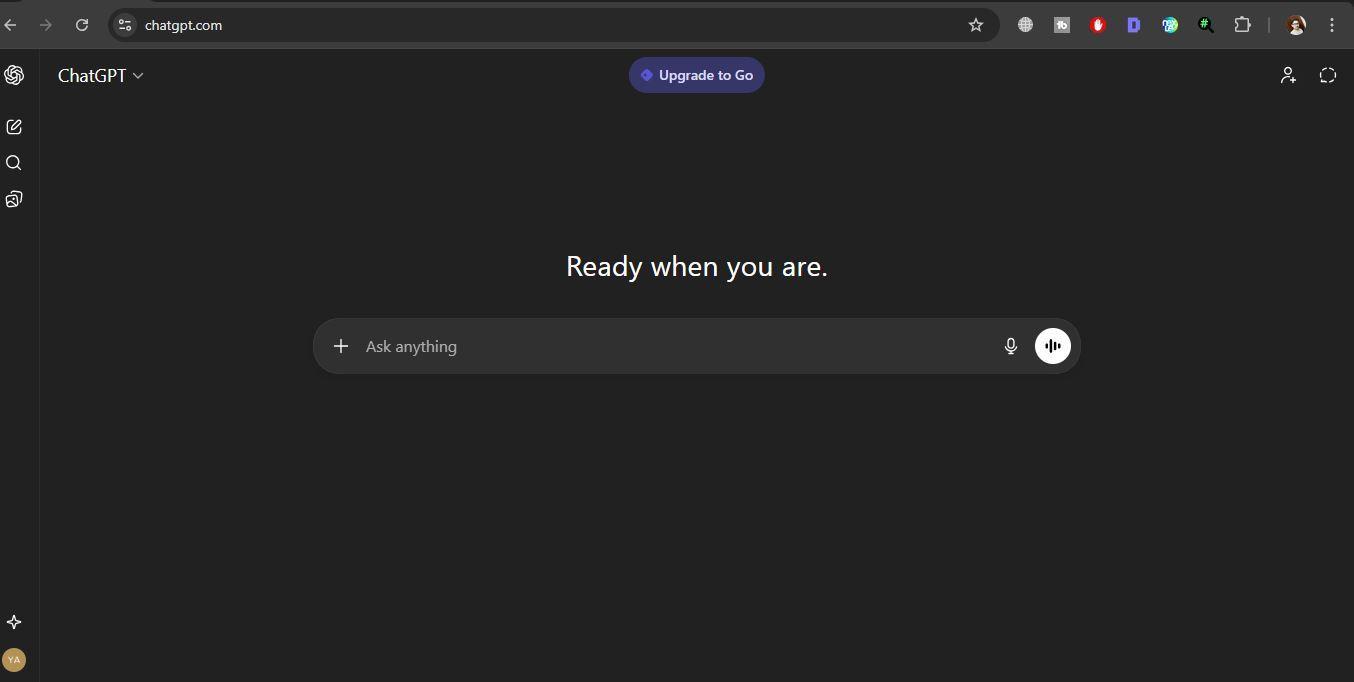
As a well-known AI chat platform, ChatGPT is still the multifunctional tool that every writer relies on from the AI writing tools collection. No longer in 2026, nearly all creators are not asking if they still can use it, but rather how much of their process should be done inside it. OpenAI announced having more than 180 million users active weekly as of the end of 2024, and that figure has only slowly risen afterwards. AI chat tools are widely used by creators who rely on conversational thinking to refine ideas.
What digital creators value most is not raw text generation anymore, but thinking-with-you ability. ChatGPT is often used to untangle ideas that feel stuck together, like earphones in a pocket.
Common creator use cases:
- Outlining complex blog posts quickly
- Rewriting content in multiple tones for different platforms
- Generating interview questions, hooks, and story angles
As one creator told The Verge in 2025, “I don’t let it finish things for me, I let it start fights in my head.” That sentence feels true even if it feels odd.
3. Gemini
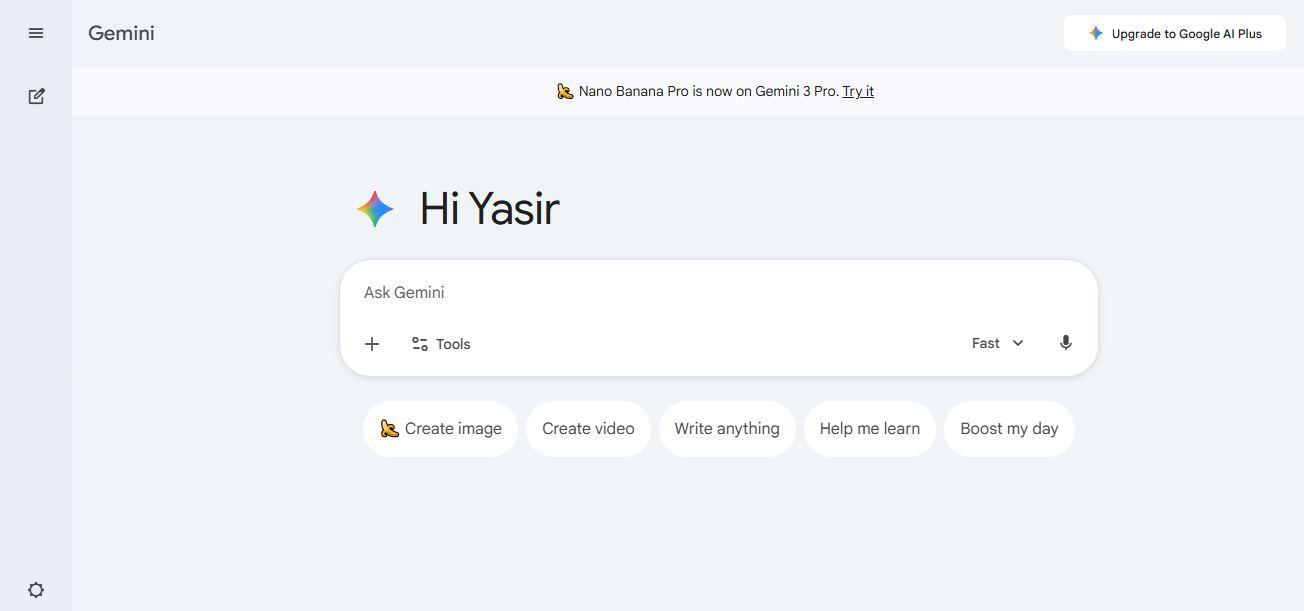
Google’s Gemini feels like it grew up inside the internet’s filing cabinet. It understands search intent in a way that is less intuitive and more structural, which actually helps when you are building content meant to be discovered rather than admired.
Gemini integrates deeply with Google Workspace, which sounds boring until you realize how much writing actually starts in Docs, Sheets, or half-finished Slides. For digital creators who live inside Google’s ecosystem, this matters more than flashy features.
Notable strengths:
- Real-time access to web-indexed knowledge for fact-heavy content
- Strong performance in technical, educational, and explanatory writing
- Seamless collaboration across Docs and Gmail
Google’s own internal testing, shared at I/O 2024, showed Gemini-assisted content drafts reduced research time by nearly 40 percent. That doesn’t mean better writing automatically, but it does mean less staring at tabs.
4. Jasper

Jasper has always positioned itself as the “professional” AI writer, and by 2026 it has leaned fully into brand consistency and team workflows. It is less chaotic than other tools, more buttoned-up, sometimes almost too polite.
For agencies and serious digital creators managing multiple clients, Jasper’s brand voice memory is the feature people quietly rely on. You can train it on tone, phrasing, even preferred sentence length, and it mostly behaves.
Creators use Jasper for:
- Marketing copy at scale
- Product descriptions that don’t sound cloned
- Campaign messaging that needs consistency across channels
According to Jasper’s 2024 State of AI Marketing report, teams using AI-assisted copywriting shipped campaigns 50 percent faster on average. Faster does not mean reckless, it just means fewer bottlenecks where humans get tired.
5. Copy.ai

Copy.ai still does what it says on the tin, but the tin has gotten bigger. Originally built for short marketing copy, it has expanded into workflows that cover idea generation, drafting, and even basic content ops.
What makes Copy.ai appealing in 2026 is its playfulness. It encourages experimentation, odd angles, and sometimes deliberately strange phrasing, which can be refreshing in a sea of polished sameness.
Popular features include:
- Prebuilt workflows for blogs, emails, and social threads
- Brainstorming tools that generate multiple creative angles
- Simple interface that doesn’t overwhelm new users
A Shopify merchant interviewed by Forbes noted that Copy.ai helped increase email open rates by 17 percent after testing more conversational subject lines. Small numbers like that add up when repeated.
6. SocialBee

SocialBee is not just an AI writing tool, it is a system that understands the strange rhythm of social media. Posting is not writing, not really, it’s timing plus tone plus restraint, and SocialBee leans into that.
By 2026, creators are exhausted by trying to be everywhere, all the time. SocialBee’s AI helps repurpose content across platforms without making everything sound like it was copy-pasted and resized.
What creators like most:
- Platform-specific tone adjustments
- Content recycling without sounding repetitive
- AI-assisted captions that fit character limits naturally
SocialBee reported that users who adopted AI-assisted scheduling posted 3x more consistently over six months. Consistency sounds boring until you realize it is usually what wins.
7. Claude

Claude is, by all means, a considerate AI and it’s the one that takes time to think before saying anything, metaphorically speaking. He is the product of Anthropic and his main features are safety, coherence, and longer context windows which make it particularly nice for long form content.
Digital creators often use Claude when they want depth rather than speed. It handles nuance well, especially in essays, opinion pieces, and explanatory writing where tone matters a lot.
Strengths worth noting:
- Exceptional long-context understanding
- Calm, structured responses for complex topics
- Less tendency to hallucinate citations compared to earlier models
In a 2025 academic comparison published by Stanford’s Human-Centered AI group, Claude ranked highest in coherence for longform writing tasks. Coherence is not flashy, but readers notice when it’s missing.
Conclusion
AI writing tools in 2026 are not replacing creators, they reshape the quiet moment before writing begins. Each tool fits a different kind of tired or stuck. The smartest creators choose tools based on today’s work, not loyalty. These tools aren’t the voice, just mirrors we write beside, and Wrizzle is one worth keeping close when you need to start, not be told what to say.







