

 Desk
Desk

Artificial intelligence has transformed content creation. It allows writers to produce articles quickly and at scale. However, speed often leads to content that feels robotic and repetitive.
Readers today are more aware than ever. They can instantly recognize machine-generated patterns. That is why it is essential to make AI-generated text sound less AI while maintaining clarity and purpose.
This guide explores practical, free methods to refine AI content. The goal is to make it more engaging, natural, and reader-friendly. The structure and tone follow a clean, informative approach similar to leading tech publications.
Why Humanizing AI Content Matters
AI-generated content often lacks personality. It tends to follow predictable sentence patterns and overuses generic phrases. This reduces reader engagement and trust.
Search engines are also prioritizing human-first content. Pages that feel authentic perform better in rankings. This makes humanization a key step in content optimization.
Another critical factor is readability. Poor phrasing or awkward sentences can distract readers. That is why it is important to check grammar mistakes and refine the text before publishing.
Method 1: Add Personal Tone and Voice

AI typically writes in a neutral tone. While this is technically correct, it often feels dull and impersonal. Adding a personal voice makes the content more engaging.
Start by using conversational language. Words like “you” and “we” help build a connection with the reader. This transforms the content into a dialogue rather than a lecture.
You can also include opinions and subtle humor. This adds personality without compromising professionalism. Over time, this approach helps build a recognizable writing style.
Method 2: Edit Sentence Structure and Flow

AI-generated text often follows repetitive structures. This can make the content feel monotonous. Editing sentence variety improves overall readability.
Use a mix of short and long sentences. Break down complex ideas into smaller chunks. This makes the content easier to follow.
Transitions are equally important. Words like “however” and “meanwhile” create smooth connections between ideas. This gives your content a polished and professional feel.
Method 3: Use Real Examples and Context

Generic explanations rarely hold attention. AI tends to describe concepts without grounding them in real situations. Adding examples makes your content more relatable.
Use simple scenarios to explain ideas. For instance, compare robotic writing to a formal report that lacks personality. This helps readers quickly understand the issue.
Case studies and practical insights also improve credibility. They show how concepts work in real life. This makes your content more valuable and actionable.
Method 4: Simplify and Clarify Language
AI sometimes overcomplicates simple ideas. It may use unnecessary jargon or overly formal phrases. Simplifying the language improves accessibility.
Write as if you are explaining something to a friend. Avoid technical terms unless they are essential. If you use them, provide quick explanations.
Clarity should always be the priority. Short and direct sentences improve understanding. This ensures your content appeals to a broader audience.
Method 5: Add Human Emotion and Intent
Emotion is what makes content memorable. AI delivers information efficiently, but it rarely conveys feeling. That is where human editing makes a difference.
Use emotional cues carefully. Words that evoke curiosity or excitement can improve engagement. This keeps readers interested from start to finish.
Intent also plays a key role. Think about what you want the reader to feel or do. Align your tone with that goal for better impact.
Method 6: Use Free Humanizer Tools
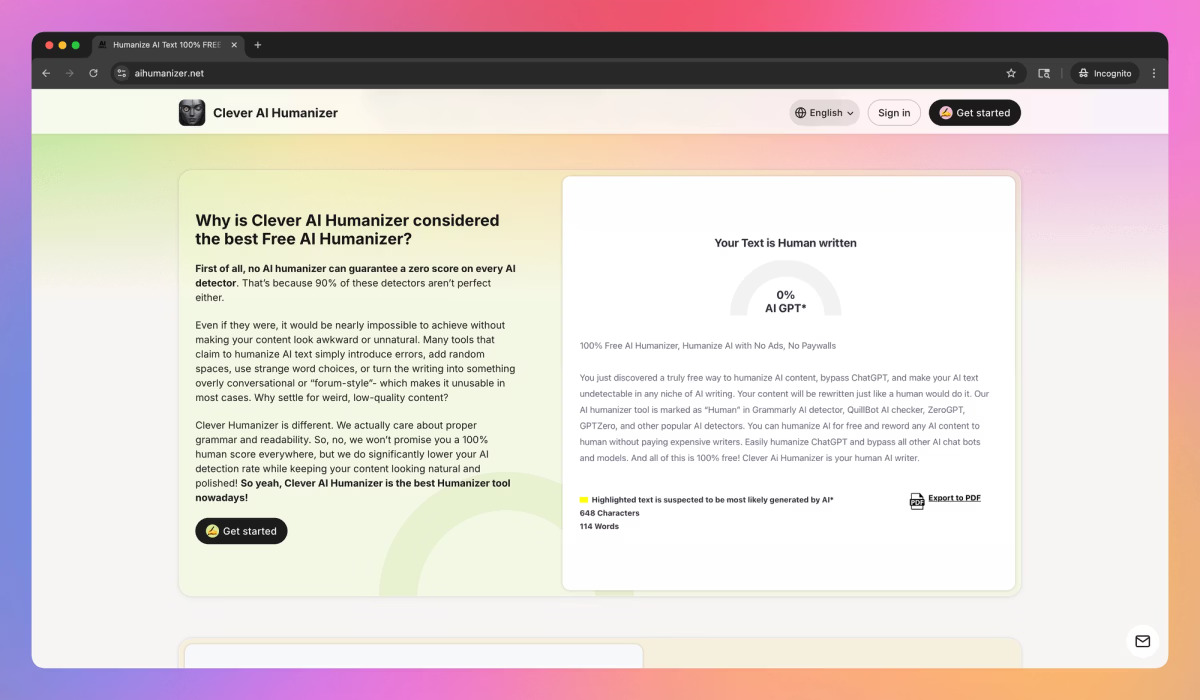
Manual editing is effective but time-consuming. Free tools can help speed up the process. They are especially useful for bulk content.
One such option is the Clever AI humanizer tool. This tool helps refine AI-generated text by improving tone and readability. It also reduces repetitive phrasing.
However, tools should be used as assistants, not replacements. Always review the final output carefully. Combining tools with manual editing delivers the best results.
Humanizing AI Content in Urdu
Urdu content requires a different approach. Many AI tools are primarily trained on English datasets. This can lead to unnatural phrasing in Urdu text.
Focus on maintaining natural sentence flow. Avoid direct translations from English. Urdu has its own structure, and preserving it is essential.
Using native expressions improves authenticity. Add culturally relevant phrases where appropriate. This makes the content more relatable to the audience.
Human review is especially important for Urdu. Native speakers should refine the text for accuracy. This ensures linguistic quality and cultural relevance.
Quick Comparison Table
| Method | Effort Level | Impact | Best Use Case |
| Personal Tone | Medium | High | Blogs, articles |
| Sentence Editing | Low | High | All content types |
| Real Examples | Medium | High | Guides, tutorials |
| Simplified Language | Low | Medium | General writing |
| Emotional Touch | Medium | High | Marketing content |
| Humanizer Tools | Low | Medium | Bulk editing |
Final Thoughts
Humanizing AI content is a necessary skill in modern writing. It ensures your content connects with real people. Even small adjustments can significantly improve quality.
Focus on clarity, tone, and structure. Use tools to assist, but rely on human judgment for refinement. This balance leads to better results over time.
The ultimate goal is simple. Create content that feels authentic, engaging, and valuable. That is what drives long-term success in digital publishing.







