

 Desk
Desk
Pakistan’s financial system is moving through a decisive digital phase, with rapid smartphone adoption driving new habits across cities and smaller towns. You can see this shift in everyday behavior, where payments, transfers and investments increasingly happen through mobile interfaces that feel familiar and immediate.
With more than 150 million mobile broadband users, the foundation for mobile-led finance continues to strengthen, which creates space for more advanced services to reach a wider audience.
Recent data from the State Bank of Pakistan shows that over 92% of retail transactions are now conducted through digital channels, with mobile apps accounting for a dominant share of that activity, which highlights how deeply digital finance has taken hold across the country.
Digital transactions now dominate retail activity, so billions of payments move through electronic channels each year, which reflects a deeper shift in how people interact with money.
As you engage with this adaptive topography, it becomes clear that mobile-first platforms are convenient tools that have become central to expanding financial participation across the country.
Mobile trading enters the mainstream
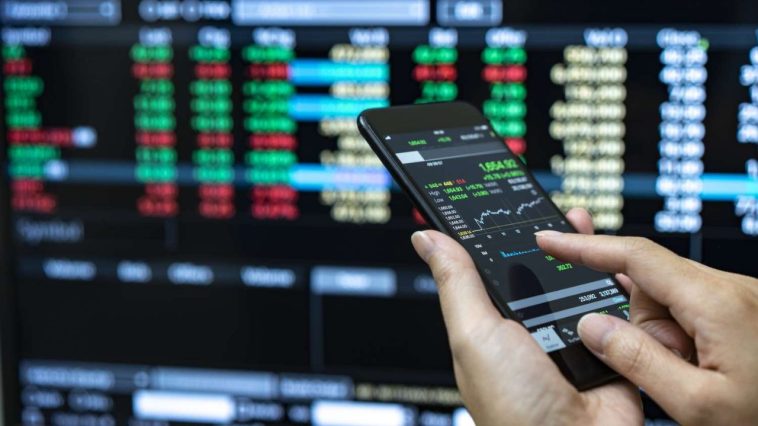
Mobile access has become the primary gateway for many Pakistani retail traders, particularly for those exploring global currency markets for the first time through a trading app that brings multiple tools into one place.
These platforms typically offer real-time price feeds, execution capabilities and account management features, so you can monitor positions or respond to market shifts without needing a desktop setup. This convenience aligns with broader fintech trends, as mobile apps already handle a large share of financial activity across the country.
The appeal also goes beyond accessibility, as mobile platforms introduce structured financial activity through simplified layouts and guided workflows. Many new traders begin with smaller positions, where they learn through direct interaction with the interface, which reduces entry barriers that once limited participation.
As smartphones act as the primary digital touchpoint, forex services continue adapting to meet users where they already spend their time.
Expanding financial inclusion through mobile platforms
Pakistan’s fintech ecosystem has long focused on bringing unbanked populations into formal financial systems, so mobile-first platforms contribute by offering entry points that do not depend on traditional banking structures.
With more than 100 million active digital wallet accounts, a significant portion of the population still remains outside conventional banking, which creates a clear opportunity for mobile solutions to bridge that gap.
When you consider forex trading within this context, it becomes part of a broader financial journey that evolves with user familiarity. Many individuals start with payments or transfers, then gradually explore more advanced services as confidence grows through repeated interaction. This progression highlights how mobile platforms support long-term engagement, as everyday financial habits connect with more complex opportunities gradually.
As access expands, digital tools help more users participate in systems that once felt distant or difficult to navigate.
Infrastructure, regulation and market confidence
The growth of mobile-based finance in Pakistan depends on strong infrastructure and consistent regulatory support, both of which have improved in recent years through targeted initiatives that affect how you interact with digital platforms. Many systems have introduced real-time payments, where you experience faster transactions that build trust across everyday use cases, no matter if you are transferring funds or accessing financial services.
Regulatory frameworks from the State Bank of Pakistan also provide guidelines that support stability, which influences the standards you encounter when using financial platforms. These frameworks encourage transparency and accountability, so you gain a clearer understanding of how transactions are processed as well as how platforms operate within defined rules.
You are likely to notice that established forex services emphasize security protocols along with compliance standards, as these factors influence your confidence during active use. This alignment between technology and regulation creates a more structured trading experience, where you can participate with greater clarity without relying on informal channels.
As oversight strengthens, the overall system gains credibility, which you can observe through rising adoption as well as growing trust in digital platforms. This shift supports continued growth across mobile finance, as more users feel comfortable engaging with services that operate within a regulated framework.
User experience and the psychology of mobile trading
Mobile-first design introduces a distinct way of interacting with financial markets, as speed, clarity and usability influence how decisions take place in real time. When you open a platform on your phone, each feature is positioned to deliver information quickly, where charts, indicators and alerts support faster interpretation during active sessions.
This design approach reflects an understanding of how users process information, particularly in forex markets where timing is critical. The emphasis on intuitive interfaces also supports learning, as individuals without formal financial backgrounds gain exposure through guided features such as demo accounts or simplified dashboards.
You can build confidence step by step, as repeated interaction creates familiarity with tools that once seemed complex. With time, this experience contributes to a culture of self-directed financial learning, where knowledge develops through continuous engagement with the platform.
The broader impact on Pakistan’s digital economy
Mobile-first forex platforms form part of a larger transformation that extends beyond individual users to the national economy, as digital transactions continue to grow in both volume and value each year, which directly influences how you engage with financial systems.
This expansion affects sectors such as remittances, retail payments and small business operations, where interconnected systems rely on digital infrastructure to function efficiently across different regions that you interact with in daily life.
For you as a participant in this ecosystem, the implications go beyond trading itself, as your engagement with mobile platforms contributes to a more transparent financial system overall. Here, increased digital activity supports traceability and formalization, which helps strengthen economic processes that shape broader financial stability.
Ultimately, as Pakistan continues investing in digital finance, mobile-first solutions remain central to how you access global markets, manage financial resources and participate in an increasingly connected economic system.







