




The final episode of HUM TV’s Tan Man Neelo Neel has left audiences shaken, sparking intense discussions on social media for its raw and unflinching portrayal of mob violence.
Written by Mustafa Afridi, directed by Saife Hassan, and produced by Sultana Siddiqui, the drama tackled one of Pakistan’s most pressing and sensitive issues: false blasphemy accusations and the horrifying mob violence that often follows.
Starring Sehar Khan and Shuja Asad in lead roles, the finale took a dark and unexpected turn, leaving viewers stunned and emotional. The show’s depiction of mob violence, eerily similar to real-life incidents in Pakistan, has led many to ask: Is Tan Man Neelo Neel based on a real story?
Real-Life Incidents That Inspired the Drama
While Tan Man Neelo Neel is a fictional story, it draws heavily from real-life incidents of mob violence in Pakistan. Here are some of the tragic cases that the drama echoes:
1. Mashal Khan (2017)
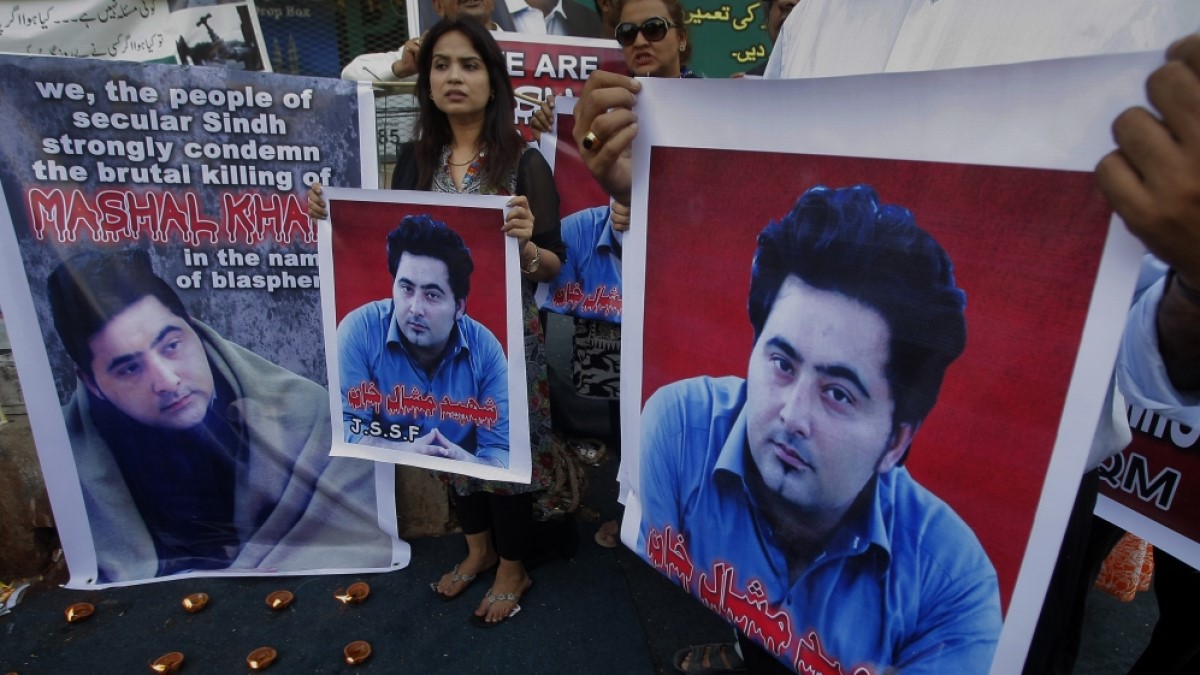
Mashal Khan, a university student in Mardan, was falsely accused of blasphemy and brutally lynched by a mob on his university campus. His death shocked the nation, but justice has been slow, with many perpetrators still awaiting punishment.
2. Priyantha Kumara (2021)
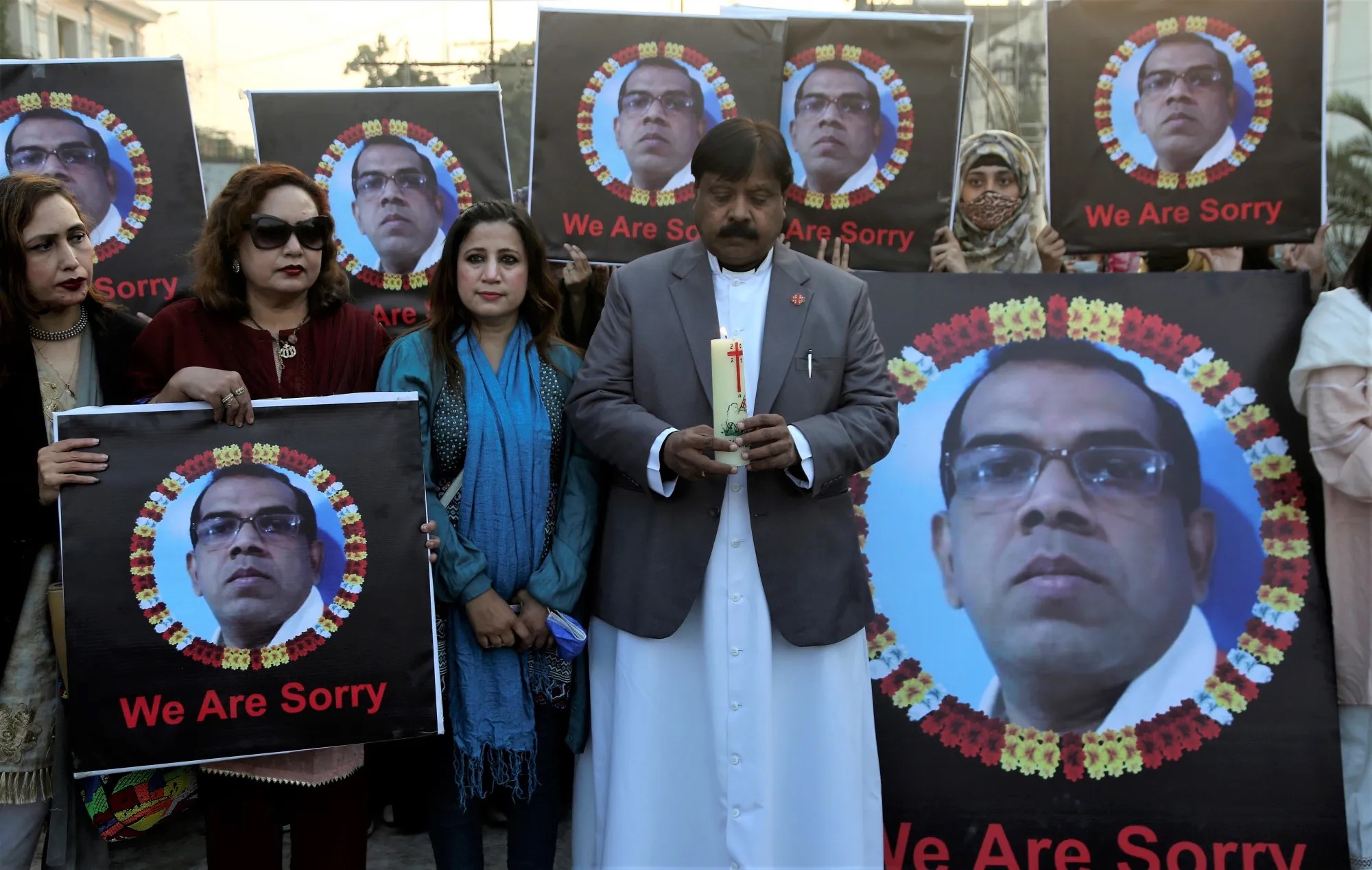
A Sri Lankan factory manager in Sialkot, Priyantha Kumara, was accused of blasphemy by his colleagues. He was beaten to death, and his body was set on fire. The incident drew international condemnation, but it also highlighted the dangers of mob mentality in Pakistan.
3. Muneeb and Mughees Butt (2010)
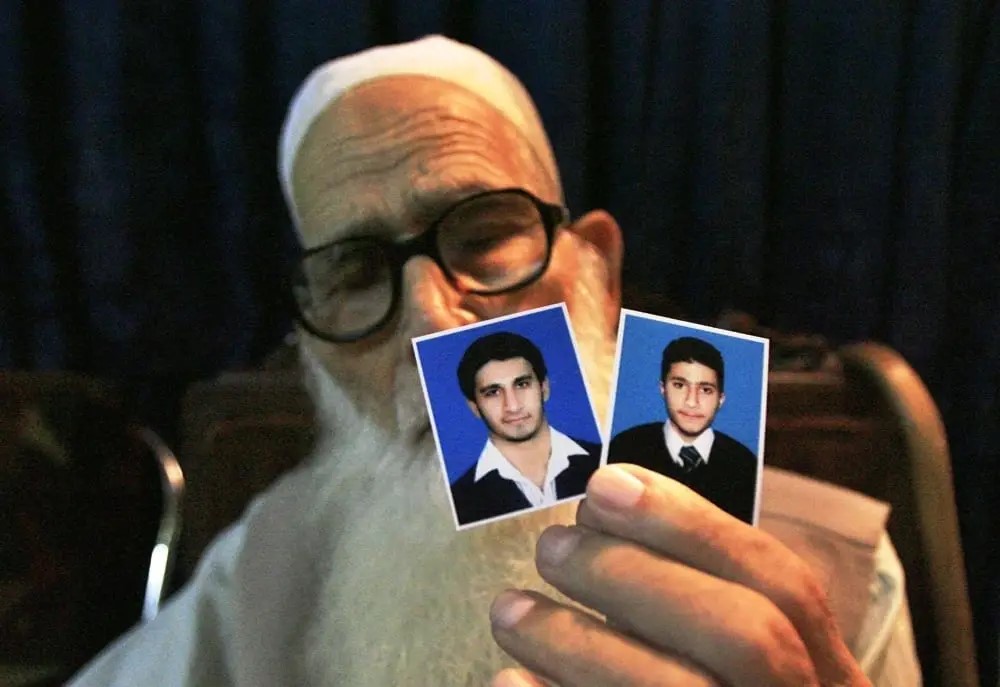
In one of Pakistan’s first publicized cases of mob lynching, two teenage brothers, Muneeb and Mughees Butt, were falsely accused of robbery in Sialkot. They were beaten to death in broad daylight, with police and rescue officials standing by as spectators.
4. Jaranwala Incident (2023)
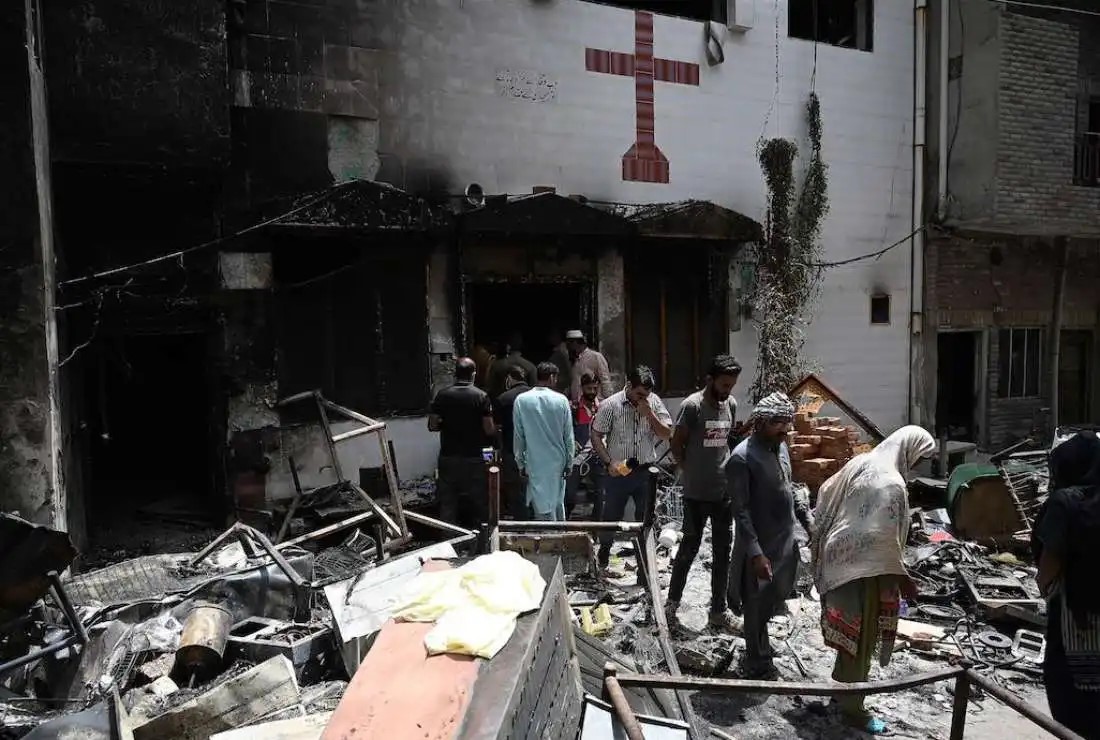
A mob in Jaranwala burned down homes in a Christian community after false accusations of blasphemy. Videos of the incident showed police failing to intervene as the mob wreaked havoc.
5. The Kurta Incident (2023)
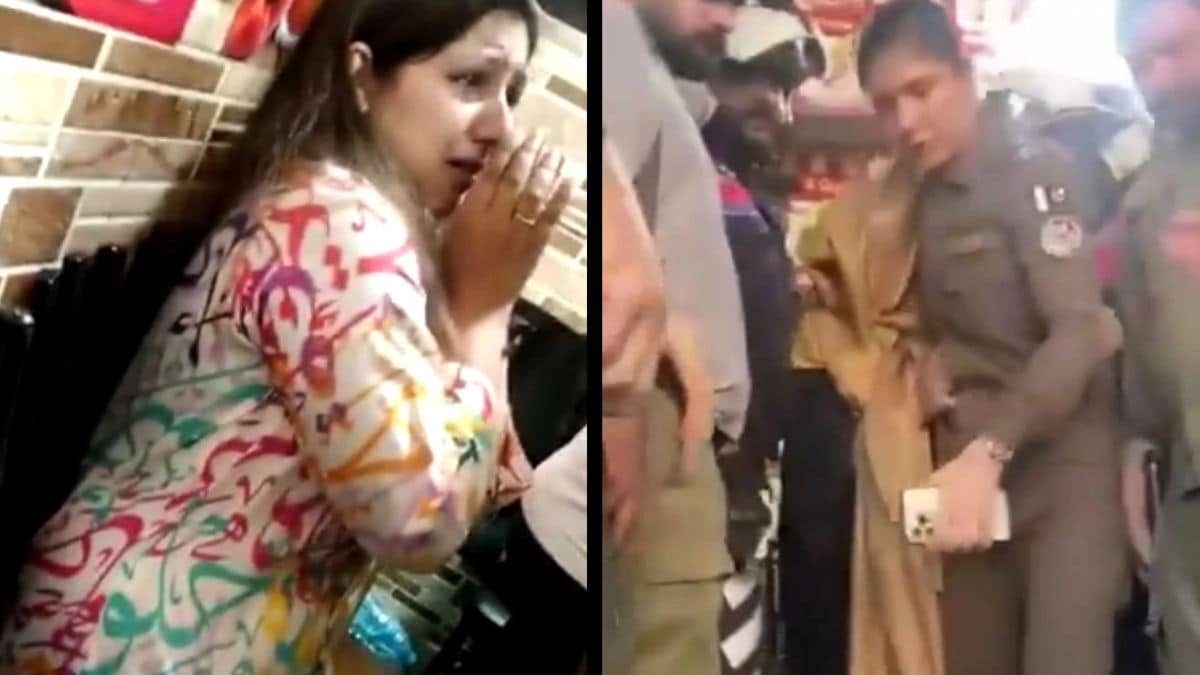
A woman wearing a kurta with the word “Halwa” written on it was accused of blasphemy and attacked by a mob. Although she was rescued by the police, she was later forced to apologize publicly.
What Happened in the Finale of Tan Man Neelo Neel?
The final episode begins with Rabi (Sehar Khan), her love interest Sonu (Shuja Asad), and her brother Moon (Ali Ammar) starting a dance company. During a performance, a video of Sonu dancing at an old Sikh mansion is played on the screen behind them, confusing both the audience and the performers.
What follows is a horrifying sequence. Kami (Muhammad Usman Javed), Rabi’s cousin who harbors romantic feelings for her, falsely accuses Sonu of dancing at a “holy site.” In a flashback, Kami is seen plotting the attack, saying, “By the time they figure out if it’s a religious location, the mob will have done their work.”
The mob, fueled by false accusations, takes justice into its own hands. Without any investigation or trial, they brutally attack Sonu and Moon, leaving viewers horrified at the sudden and violent turn of events.
The finale’s depiction of mob violence is not just a fictional plot twist—it’s a mirror to the grim reality of Pakistan, where false blasphemy accusations have led to countless tragedies. The show interspersed its final scenes with real-life images of victims of mob violence, including Mashal Khan, Priyantha Kumara, and others, reminding viewers of the devastating consequences of such incidents.
Social media erupted with praise for the show’s creators for their bravery in addressing such a sensitive topic. Many viewers lauded the drama for shedding light on how blasphemy accusations are often weaponized to settle personal scores.
One X (formerly Twitter) user highlighted how the montage of real-life victims was a “reminder of how real it all is. We’ve seen the news, heard their stories, and grieved, but it keeps happening again and again.”
Another wrote, “The show bravely sheds light on the darker realities of our society. It’s a reminder of how mob mentality destroys lives.” Another added, “The abrupt ending mimics real-life—one false accusation, and in minutes, people lose everything.”
Tan Man Neelo Neel is more than just a drama—it’s a call to action. It is also a reminder that Pakistani audiences are ready for more than just saas-bahu dramas and love triangles. They want stories that reflect the realities of their society and challenge them to think, question, and demand change.
As one viewer aptly put it, “This is what storytelling should be—raw, real, and impactful.”