




In a blow to budget-conscious shoppers across Pakistan, the popular e-commerce platform Temu has dramatically increased its prices, leaving consumers reeling and social media ablaze with frustration.
The surge, which some report as high as 200–300%, comes in response to new tax policies introduced in the 2025–26 federal budget, targeting foreign digital platforms and online shopping.
As Pakistanis voice their anger online, the once-affordable retail giant is now at the heart of a heated debate about accessibility, fairness, and the future of e-commerce in the country.

The price hikes stem from a series of fiscal reforms outlined in the 2025–26 budget, aimed at boosting revenue and regulating Pakistan’s booming digital economy.
Under the Digital Presence Proceeds Tax Act, foreign e-commerce platforms like Temu, AliExpress, and Amazon are now subject to a 5% tax on proceeds from Pakistani consumers, even if they lack a physical presence in the country.

Additionally, an 18% General Sales Tax (GST) has been imposed on online purchases, aligning foreign platforms with local businesses that face similar tax obligations. To top it off, restrictions on low-cost shipping routes, particularly from China, have forced platforms to rely on pricier couriers like DHL, further driving up costs.
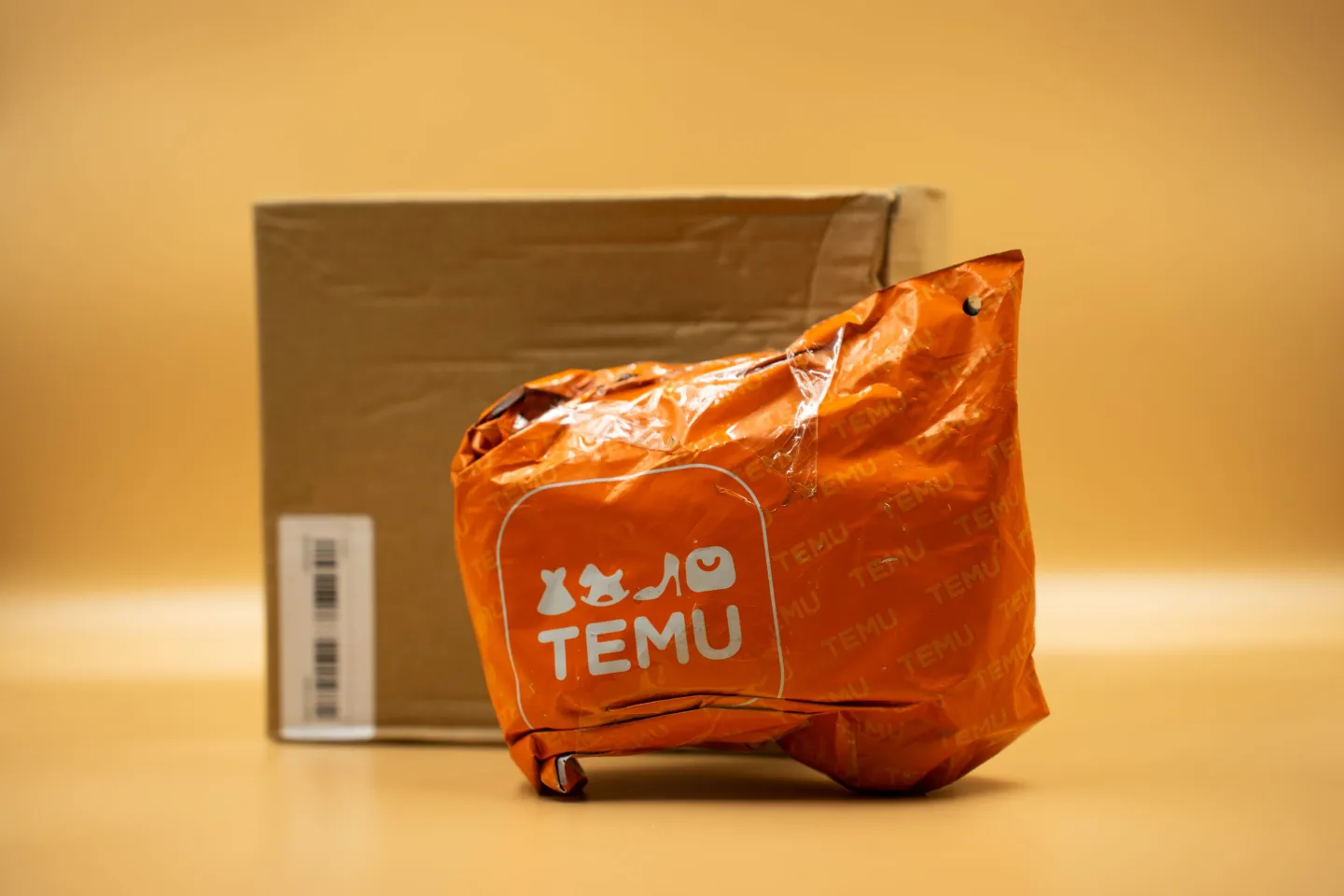
Temu, known for offering budget-friendly products ranging from clothing to electronics, has preemptively jacked up prices to buffer against unpredictable customs duties and unclear tax guidelines. Industry insiders suggest these adjustments are temporary, with hopes that prices may stabilize once clearer regulations emerge. However, for now, the platform’s rock-bottom deals—once a lifeline for cash-strapped shoppers—have vanished, leaving many feeling betrayed.
The reaction on platforms like X has been swift and fierce. Pakistani shoppers, who flocked to Temu for its unbeatable prices, are not holding back their disappointment. X users have also pointed fingers at the government, labeling the new taxes “anti-consumer” and accusing policymakers of making life harder for ordinary citizens.
One viral post quipped, “Congratulations, Pakistan! We can’t afford Temu, AliExpress, or even Daraz anymore. Back to Landa Bazaar!” The frustration is palpable, with many arguing that the tax reforms disproportionately harm low-income households and small online businesses.
Here are a few reactions of netizens on the recent price hike of Temu,






Despite the outrage, there’s a glimmer of hope. Industry experts believe Temu’s price hikes are a precautionary measure and that the platform may lower prices once tax and customs guidelines are clarified. For now, Temu continues to ship to Pakistan via partners like Speedaf, but the days of dirt-cheap deals seem to be on hold.
Whether Temu can regain its footing in Pakistan—or if consumers will turn to local alternatives—remains to be seen. For now, one thing is clear: Pakistan’s e-commerce landscape is in for a turbulent ride.