




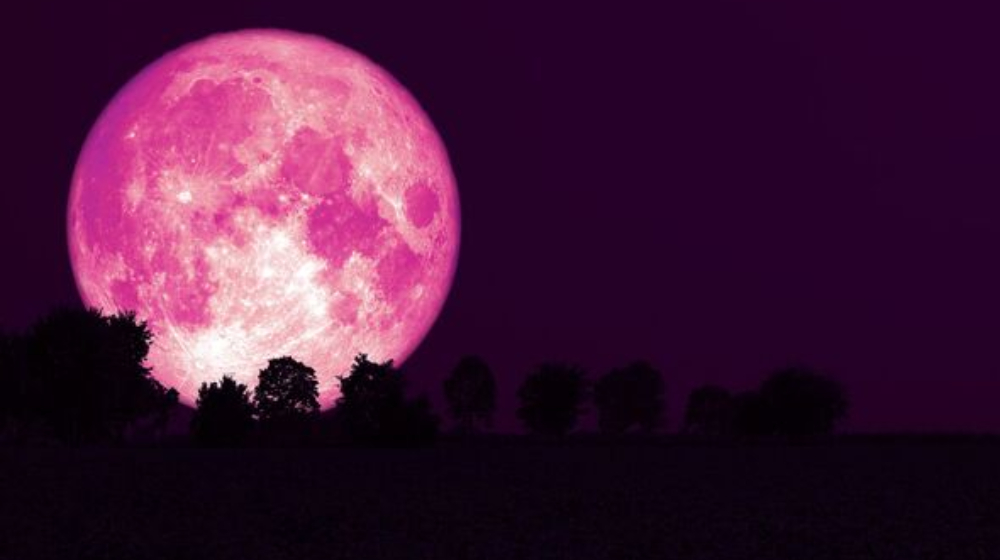
Skywatchers, mark your calendars: June’s full moon, affectionately dubbed the “Strawberry Moon,” is set to dazzle on the evenings of June 10 and 11, 2025, with a display unlike any in nearly two decades.
This year’s lunar event, peaking at 3:45 am EDT on June 11, promises to be a visual treat, appearing lower and dimmer than usual due to a rare astronomical phenomenon known as the “major lunar standstill.” From its cultural roots to its potential pinkish-red glow, the 2025 Strawberry Moon is shaping up to be a celestial must-see that won’t repeat until 2043.
A Once-in-18.6-Years Event
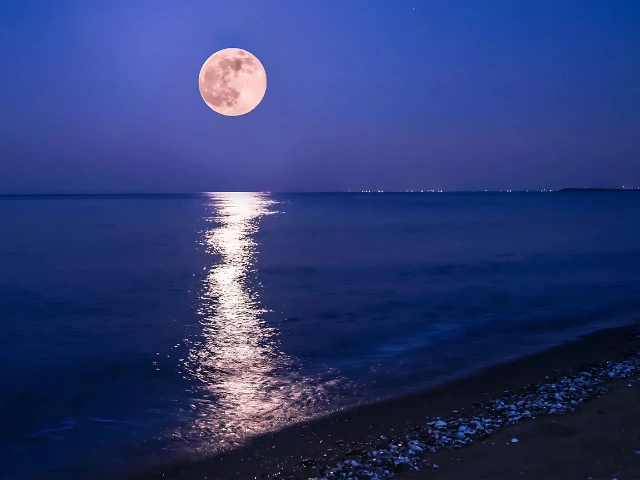
According to EarthSky, the Strawberry Moon’s unique allure this year stems from its alignment with a major lunar standstill, a cycle that occurs every 18.6 years due to the moon’s orbital inclination. This rare positioning causes the moon to travel an unusually low, shallow path across the sky, making it the lowest full moon since 2006. The result? A dimly lit orb that hugs the horizon, creating a dramatic and ethereal effect. For stargazers in Monmouth and Ocean counties, New Jersey, the moon will set at 8:25 p.m. EDT on June 10, offering prime viewing as it rises that evening.

Why “Strawberry Moon”?
Don’t expect a berry-hued moon—despite its name, the Strawberry Moon’s moniker has nothing to do with color. The term originates from the Algonquin tribes of North America, who associated June’s full moon with the start of the wild strawberry harvest. As the last full moon of spring in the Northern Hemisphere, it heralds the approach of the summer solstice, a time of renewal and abundance. Other cultures have their names for this moon, such as the “Rose Moon” in Europe or the “Honeymoon,” tying it to seasonal shifts and folklore.
A Colorful Twist
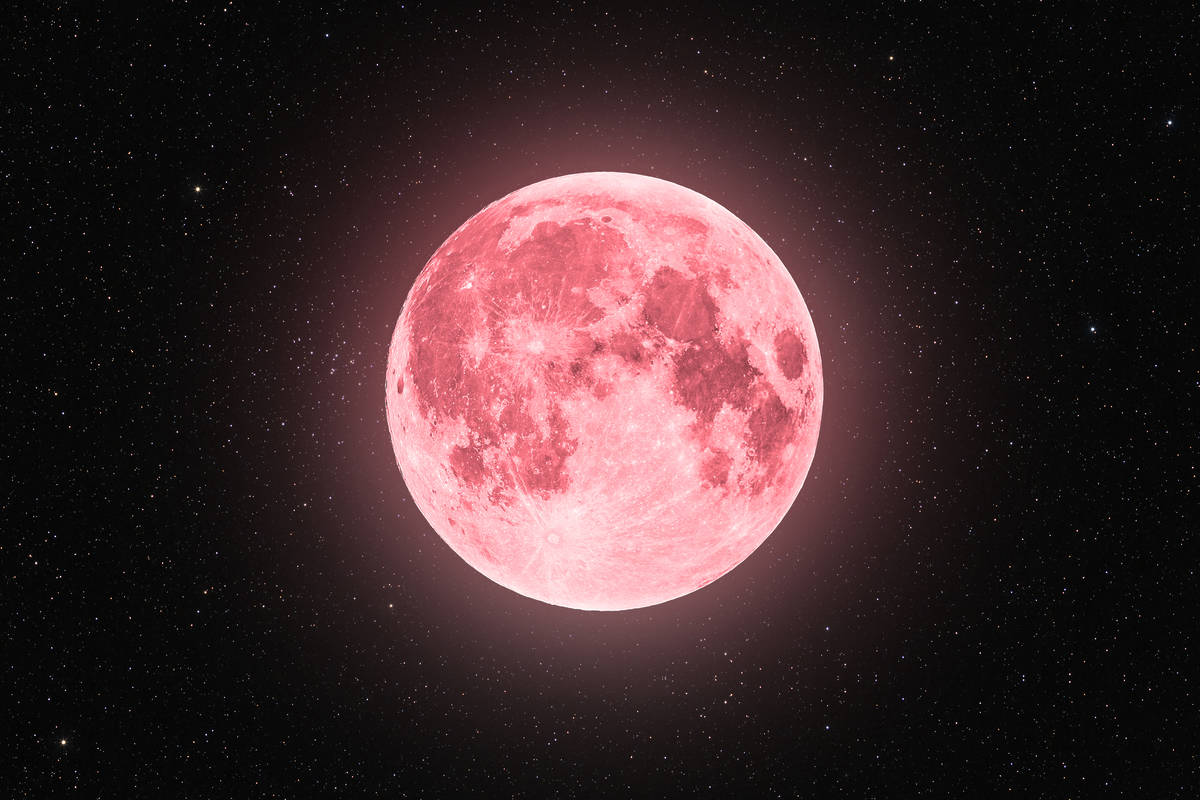
While the Strawberry Moon won’t naturally blush pink, its low trajectory could make it appear more vibrant than usual. As the moon skims the horizon, its light passes through a thicker layer of Earth’s atmosphere, which scatters shorter blue wavelengths and allows reds and pinks to dominate. This effect, amplified by dust or smoke from wildfires, could tint the moon in striking shades of pink, orange, or even a fiery red.
When and Where to Watch
For the best experience, catch the Strawberry Moon as it rises on the evening of June 10, just before its peak illumination at 3:45 a.m. EDT on June 11. Moonrise times vary by location, so check local schedules—urban dwellers may need to seek spots with minimal light pollution for the clearest view.
Don’t Miss This Rare Sight
With the next major lunar standstill not occurring until 2043, the 2025 Strawberry Moon is a rare chance to witness a celestial event that blends beauty, science, and cultural history. Whether you’re a seasoned astronomer or a curious onlooker, this low-lying, potentially colorful moon promises a spectacle worth staying up for.