
Following directives from the Prime Minister to address pollen allergy in the federal capital, stakeholders have decided to remove approximately 80,000 to 100,000 wild mulberry trees and restrict the sale of parthenium plants at flower shops across Islamabad.
Dr. Mukhtar Ahmed Bharat, the PM’s National Coordinator on Health, stated that proactive measures are being implemented in Islamabad to combat pollen allergy. He highlighted that, according to environmental experts, wild mulberry trees are a primary source of allergies due to their abundance. As part of the plan, these trees are being removed in phases.
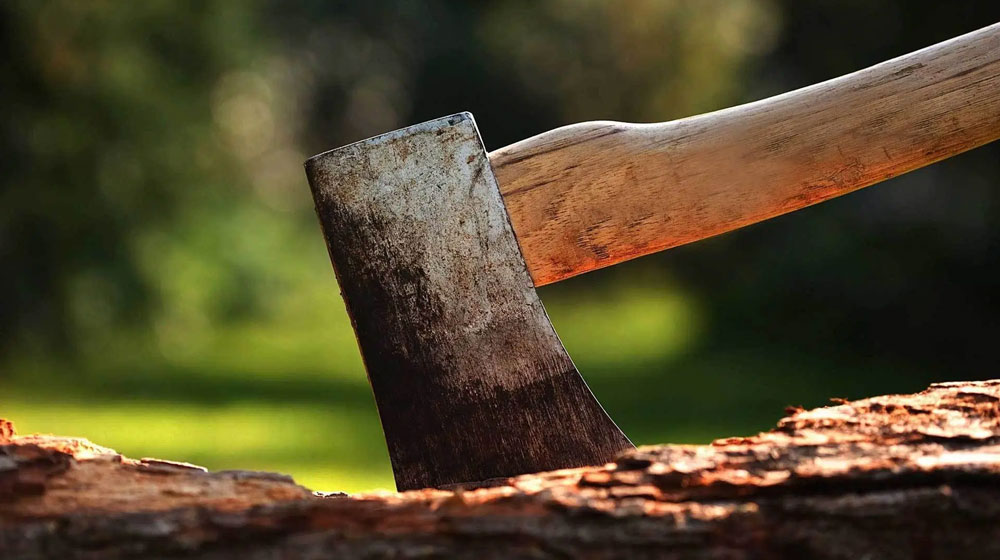
“There are an estimated 80,000 to 100,000 wild mulberry trees, which will be removed. To replace them, the Capital Development Authority (CDA) has already planted one million eco-friendly trees under the allergy eradication initiative,” said Dr. Bharat. He added that the CDA plans to plant an additional 300,000 to 400,000 trees, aiming to remove paper mulberry trees by mid-year completely.
Special measures have also been taken to control allergens in F-9 Park, and a strict ban on the sale of parthenium plants in the city’s flower shops has been proposed. Dr. Bharat explained that parthenium, a toxic weed, is a significant trigger for respiratory allergies. The Directorate of Municipal Administration has been instructed to enforce this ban to prevent its use in floral arrangements.
Stay Connected with ProPakistani
Get the latest news and stories wherever you prefer.
Add ProPakistani to Preferred Sources and see more of our stories in Google Search and Top Stories.















Trees that produce high levels of pollen, such as Paper Mulberry (Broussonetia papyrifera), are often targeted for removal due to their impact on human health, particularly allergies. However, these trees can also play a role in urban ecosystems, providing habitat, food, and nesting opportunities for various bird species.
Effects of Cutting Pollen-Producing Trees on Birds:
1. Loss of Habitat: Many birds rely on these trees for nesting and shelter. Removing them could reduce available habitats in urban areas.
2. Reduced Food Sources: Pollen-producing trees often attract insects, which are a key food source for insectivorous birds. Their removal might indirectly reduce food availability.
3. Displacement: Birds that are dependent on these specific trees might be forced to relocate, potentially causing stress and competition with other species in nearby areas.
4. Ecosystem Imbalance: Sudden removal of a significant tree population can disrupt local ecological balances, affecting not just birds but other flora and fauna.
If the government plans to remove such trees, it is important to implement compensatory measures, such as planting native or non-allergenic trees that support local wildlife and maintain biodiversity. Would you like to explore alternative solutions or mitigation strategies?
Trees that produce high levels of pollen, such as Paper Mulberry (Broussonetia papyrifera), are often targeted for removal due to their impact on human health, particularly allergies. However, these trees can also play a role in urban ecosystems, providing habitat, food, and nesting opportunities for various bird species.
Effects of Cutting Pollen-Producing Trees on Birds:
1. Loss of Habitat: Many birds rely on these trees for nesting and shelter. Removing them could reduce available habitats in urban areas.
2. Reduced Food Sources: Pollen-producing trees often attract insects, which are a key food source for insectivorous birds. Their removal might indirectly reduce food availability.
3. Displacement: Birds that are dependent on these specific trees might be forced to relocate, potentially causing stress and competition with other species in nearby areas.
4. Ecosystem Imbalance: Sudden removal of a significant tree population can disrupt local ecological balances, affecting not just birds but other flora and fauna.
If the government plans to remove such trees, it is important to implement compensatory measures, such as planting native or non-allergenic trees that support local wildlife and maintain biodiversity.