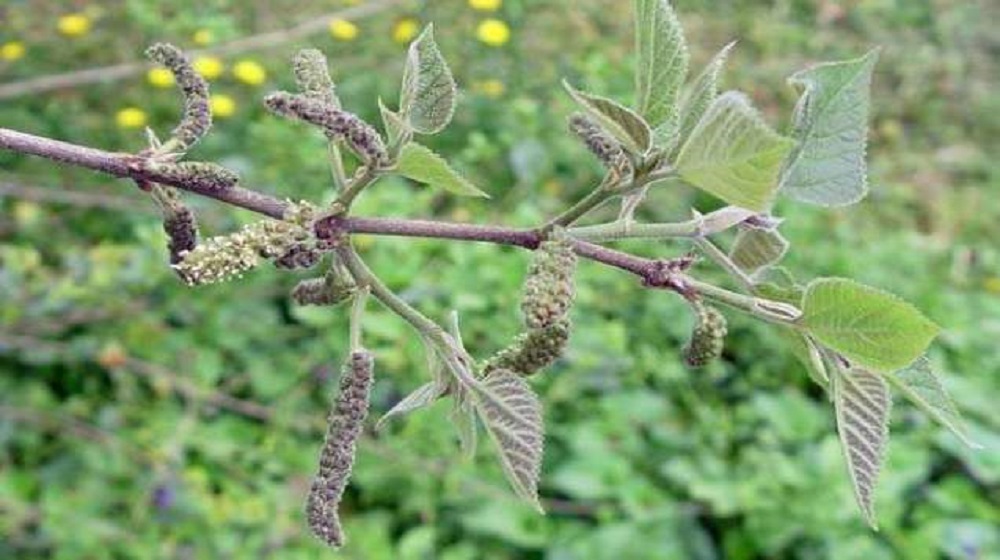
The Meteorological Department has issued a pollen spread warning for Rawalpindi and Islamabad, urging allergy and asthma patients to remain cautious until the third week of March, when pollen levels are expected to peak.
Dominant Pollen Types
Islamabad’s air is heavily dominated by Paper Mulberry pollen, which makes up 97% of the total pollen count. The remaining 3% comes from Acacia, Eucalyptus, Pines, Grasses, Cannabis, Dandelion, and Alternaria.
As spring arrives, pollen concentration gradually rises, reaching its peak during the full bloom of flowers and typically subsiding by mid-April.

Monitoring and Health Risks
To track airborne pollen levels, the Pakistan Meteorological Department (PMD) has installed surveillance devices across various sectors of Islamabad, including H-8, E-8, F-10, and G-6. People suffering from asthma and respiratory diseases are particularly vulnerable to high pollen concentrations.
For pollen count inquiries, you can contact PMD at 051-9250364 or 051-9250745 or email [email protected]. Daily updates on pollen concentration data will also be available on the PMD website and media outlets.
Precautions and Expert Advice
Health experts suggest that rainfall can provide temporary relief by settling airborne dust and pollen. However, pollen levels tend to rise again after rain, making it crucial for allergy sufferers to stay cautious.
A senior doctor from Holy Family Hospital emphasized that pollen allergy patients should cover their nose and mouth with face masks, especially after rainfall, as pollen levels tend to spike. He also noted that while pollen allergies usually persist until late April, this year’s conditions have been comparatively less severe.
With pollen season in full swing, it’s essential to take precautionary measures to stay safe and minimize allergic reactions.
Stay Connected with ProPakistani
Get the latest news and stories wherever you prefer.
Add ProPakistani to Preferred Sources and see more of our stories in Google Search and Top Stories.












