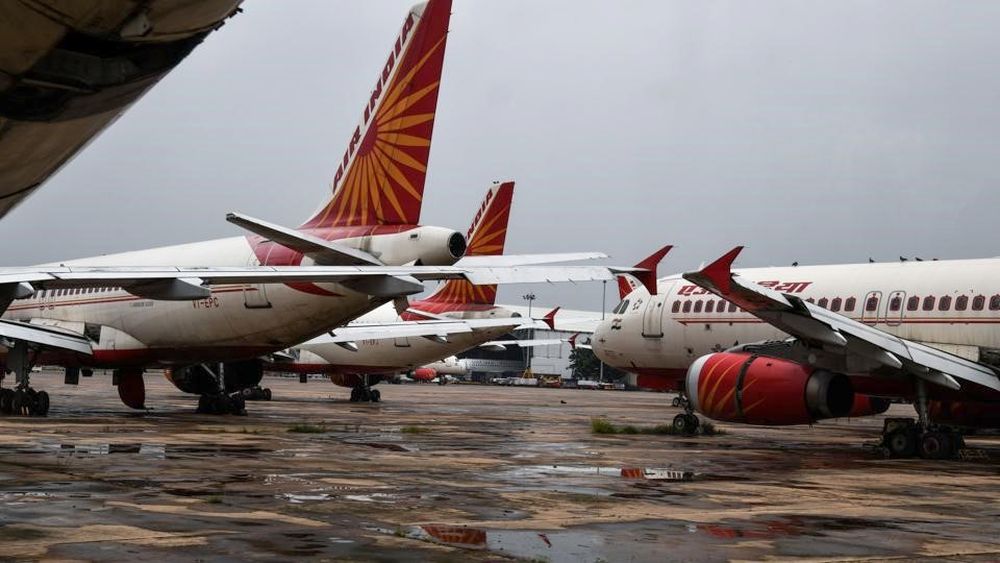
Air India’s ability to return to profitability is being challenged by ongoing airspace restrictions imposed by Pakistan, which continue to affect the airline’s westbound operations, according to CEO Campbell Wilson.
Speaking in a Bloomberg TV interview on Monday, Wilson confirmed that flight durations to Europe and North America have increased due to the airspace closure. “While we’ve managed to maintain most of our direct flights to these regions, the extended flight times are significantly impacting our operational costs,” he said, adding that the situation is affecting the airline’s financial bottom line.
Although Wilson did not disclose specifics of ongoing negotiations, he acknowledged that the airspace restrictions—a fallout of the renewed hostilities between India and Pakistan—have added around an hour of flying time to some routes.
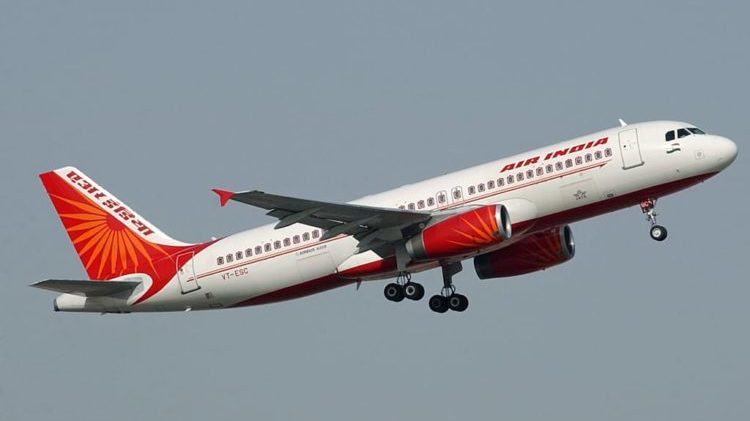
Conflict Disrupts Aviation
The current restrictions follow intense cross-border conflict that began on May 7—the most serious confrontation between the two nuclear-armed neighbors in recent decades. It was sparked by a brutal attack on civilians in Indian-administered Kashmir on April 22. Despite a ceasefire declared on May 10, Pakistan has extended the airspace ban for Indian carriers until June 24.
These kinds of geopolitical disruptions are increasingly complicating global aviation. Airlines are frequently being forced to reroute flights around conflict zones, which not only increases fuel costs and travel time but also strains route planning and long-term strategy.
Industry Calls for Stability
Wilson emphasized that predictability is essential for airlines when making large-scale investments. “Uncertainty is a significant challenge when planning future expansions or fleet purchases,” he said, highlighting a recurring concern raised by industry leaders at an aviation conference in New Delhi.
For now, Wilson added, tariff changes have not negatively impacted travel demand in the markets Air India serves, though the industry continues to monitor the situation closely.
Concerns Over the US Education Climate
Wilson also addressed concerns emerging from the ongoing tensions between U.S. President Donald Trump and Harvard University, noting early signs that Indian students, who typically make up a large portion of international students in the U.S., may be rethinking their choices.
“There are anecdotal reports of students considering alternatives,” he said. “It’s a recent development, and while things are still unfolding, there’s a noticeable openness to exploring other countries for education.”
Fleet Expansion and Operational Growth
Air India, which was acquired by the Tata Group from the Indian government in 2021, has ambitious growth plans. The airline is expecting deliveries of new aircraft ordered previously, though Wilson admitted the arrival of these planes has been slower than anticipated.
“It’s holding back our short-term expansion to some extent,” he noted, “but the long-term potential in this market is enormous, and we remain very optimistic.”
Wilson, who oversaw the major merger of Air India and Vistara, declined to confirm recent media reports regarding the airline’s talks with aircraft manufacturers for additional narrowbody jets.
Stay Connected with ProPakistani
Get the latest international news and global stories wherever you prefer.
Add ProPakistani to Preferred Sources and see more of our stories in Google Search and Top Stories.
















phat rhi hai hahahah