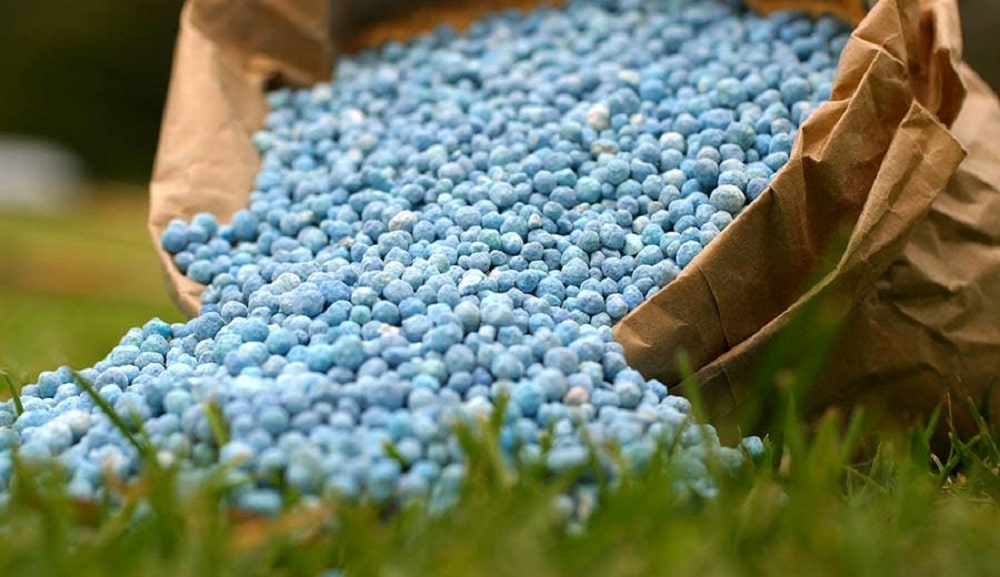
Escalating tensions in the Middle East have triggered a sharp disruption in global fertilizer markets, with supply constraints, shipping bottlenecks and feedstock shortages pushing international urea prices to $740–750 per tonne.
The crisis has hit the Gulf region particularly hard, which accounts for nearly one-third of global urea exports, leading to production slowdowns and logistical disruptions. For import-dependent economies like Pakistan, this has translated into delayed shipments, reduced availability and significantly higher costs.
Imported urea is now estimated to cost between Rs. 13,700 and Rs. 14,700 per bag, compared to around Rs. 4,400 for locally produced urea, highlighting the critical role of domestic production in shielding farmers from global price shocks.
Pakistan currently holds about 0.9 million tonnes of urea stock, sufficient for the upcoming Kharif season if production continues uninterrupted. Local fertilizer production has helped stabilise farm input costs and prevent a broader inflationary cycle, as higher fertilizer prices typically reduce usage and lower crop yields, ultimately driving food inflation.
However, the situation remains challenging for Di-Ammonium Phosphate (DAP), where domestic production is limited to around 0.7 million tonnes against an annual demand of up to 2.3 million tonnes. This reliance on imports makes Pakistan vulnerable to prolonged disruptions in global supply.
Experts warn that continued instability could push DAP prices even higher, underlining the need to ensure an uninterrupted gas supply to local production facilities and reduce dependence on imports.
Stay Connected with ProPakistani
Get the latest business news, market insights, and economic updates wherever you prefer.
Add ProPakistani to Preferred Sources and see more of our stories in Google Search and Top Stories.