OpenAI was expected to make its hardware debut with a screenless AI speaker, but the company has launched something very different first: a $230 mini keyboard for Codex users.
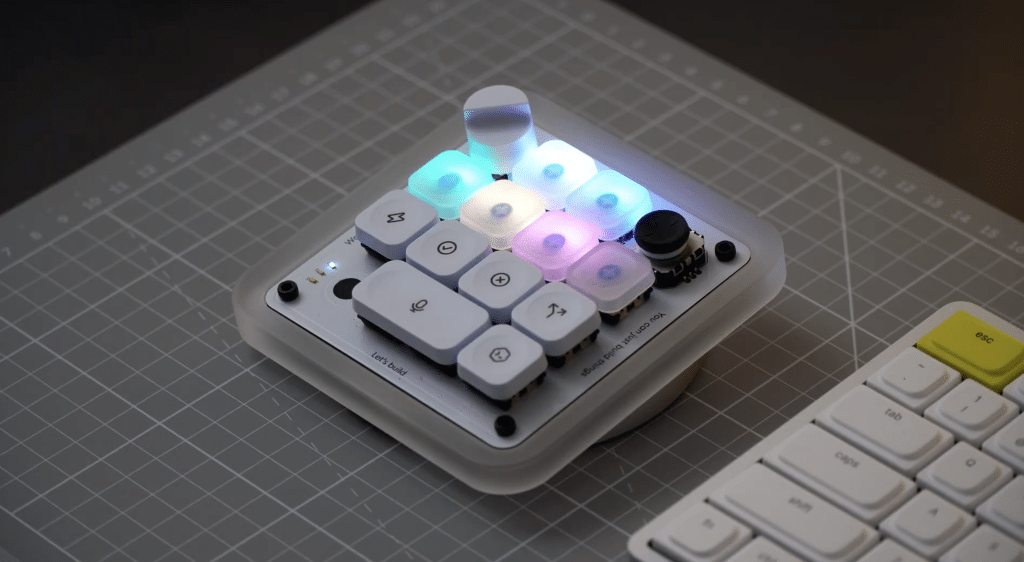
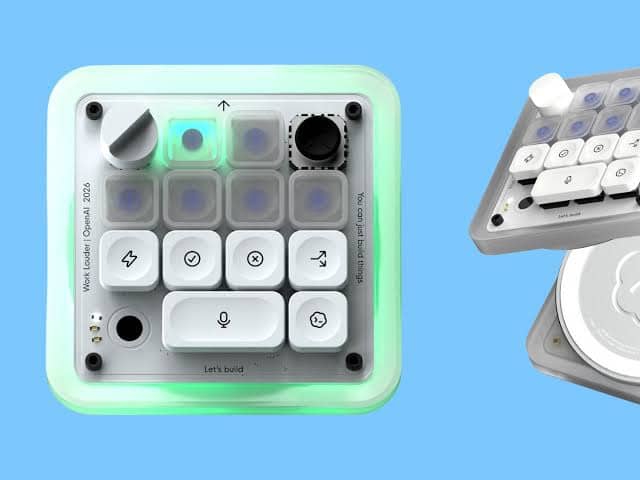
The new device is called Codex Micro. OpenAI designed it with specialty keyboard maker Work Louder and is selling it as a physical control center for people who use Codex, its AI coding assistant.
The launch comes shortly after reports said OpenAI was preparing a portable, screenless smart speaker built around ChatGPT.
That device is reportedly still in development and may include cameras, sensors, and moving mechanical parts. It is expected to be a larger consumer product linked to OpenAI’s hardware work with Jony Ive and former Apple engineers.
Codex Micro, however, is a much smaller and more focused product. It is aimed at developers, not general consumers.
OpenAI describes Codex Micro as a “command center for agentic work.”
The device lets users manage multiple Codex agents through physical controls instead of relying only on the ChatGPT desktop app. It includes light-up Agent Keys that show what AI agents are doing through RGB feedback.
These keys can help users see whether an agent is working, waiting, finished, or facing an issue.
Codex Micro also includes customizable command keys for common Codex actions.
Users can map these keys to tasks such as accepting changes, rejecting changes, starting a new chat, or using push-to-talk. The device also includes a joystick for launching workflows and a dial for adjusting an agent’s reasoning level.
In simple terms, the dial lets users decide how much effort an AI agent should spend on a task.
OpenAI told TechCrunch that Codex Micro is a limited-run collaboration.
That makes it more of a niche product for Codex power users than a major consumer hardware launch. Still, it marks OpenAI’s official move into physical devices after months of attention around its broader hardware plans.
The device supports Bluetooth and USB-C, works with Mac and Windows, and comes with clicky or silent switch options.
The launch does not replace OpenAI’s reported smart speaker project.
That product is still expected to be OpenAI’s more important consumer hardware effort. Reuters, citing Bloomberg, reported that the speaker is being designed as a ChatGPT-powered home device with smart home control, media playback, messaging, and more personal AI features.
OpenAI has not officially announced the speaker, its design, price, or release date.
OpenAI’s hardware push is also happening during a legal fight with Apple.
Apple has sued OpenAI and two former employees, accusing them of misusing trade secrets linked to hardware development. OpenAI has denied wrongdoing.
For now, OpenAI’s first hardware product is not the futuristic ChatGPT speaker people were expecting. It is a small, limited-run keyboard built for developers who want physical controls for AI coding agents.
Get the latest tech news, telecom insights, and product launches wherever you prefer.
Add ProPakistani to Preferred Sources and see more of our stories in Google Search and Top Stories.