

 Desk
Desk
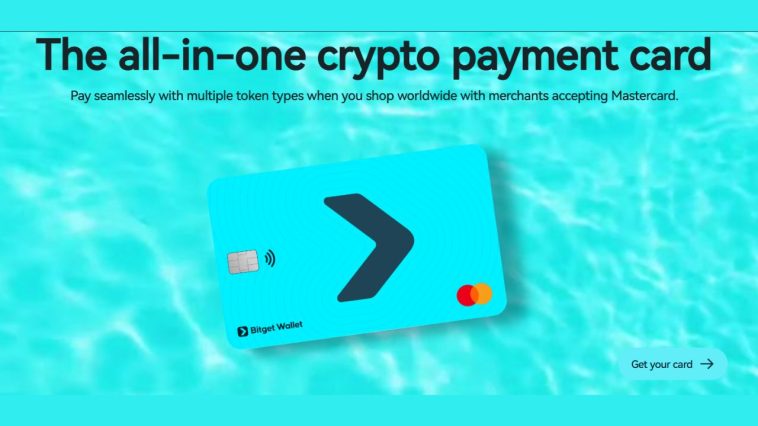
Crypto cards are becoming a genuinely practical option for Pakistani users who want to spend digital assets without manually converting them first. These cards connect to a crypto wallet and handle conversion at the point of sale, allowing users to pay with crypto anywhere Visa or Mastercard is accepted.
Several international platforms now offer wallet-with-card functionality accessible in Pakistan, although availability, fees, and supported assets still vary significantly between providers.
How We Evaluated These Crypto Cards
Cards were assessed based on fee transparency, supported cryptocurrencies, cashback structure, KYC accessibility for Pakistani residents, mobile wallet compatibility, and confirmed usability in Pakistan. Only platforms with publicly verifiable features and active card infrastructure were included.
Top 3 Crypto Cards for Pakistan in 2026
1. Bitget Wallet Card
The Bitget Wallet Card is a Visa-backed crypto payment solution connected directly to Bitget Wallet, designed for users who want to spend digital assets without relying on manual off-ramping. The card expanded globally during late 2025 and quickly became one of the strongest options for users in emerging crypto markets because of its flexible stablecoin support, competitive fees, and direct Web3 wallet integration.
Supported crypto: The card currently supports USDT and USDC top-ups across multiple networks including Solana, Ethereum, TRON, and Base, giving users lower-fee transfer flexibility depending on the blockchain they already use.
Availability: The service is available across several Asia-Pacific markets and supports users in Pakistan after KYC verification. Apple Pay and Google Pay compatibility are also supported, making it practical for everyday mobile payments and online purchases.
Pros: Competitive fee structure, no annual fee, broad stablecoin support, multi-chain compatibility, seamless wallet integration, and strong usability for everyday spending.
Cons: Monthly fee-free spending limits still apply, and some regional support response times may vary during periods of high demand.
2. Oobit Card
The Oobit Card has become increasingly popular among users looking for a more wallet-native crypto spending experience. Unlike many traditional exchange-linked crypto cards, Oobit focuses heavily on direct wallet connectivity, allowing users to spend crypto without manually transferring funds into a separate prepaid balance beforehand. For Pakistani users already active in self-custody wallets, this creates a smoother day-to-day payment experience.
Supported crypto: Oobit supports payments using USDT, BTC, ETH, and several other major cryptocurrencies and stablecoins. The platform also supports direct wallet connections with services such as MetaMask, Trust Wallet, Binance Wallet, and Phantom.
Availability: The card works through the Visa network and is accessible in Pakistan through the mobile application after identity verification. Apple Pay and Google Wallet integration are supported for contactless spending.
Pros: Up to 10% cashback on eligible rewards programs, strong wallet compatibility, broad token support, and a simple mobile-first setup process.
Cons: The highest cashback tiers may depend on reward conditions, and the platform remains newer than some larger exchange-backed alternatives.
3. RedotPay Card
RedotPay has continued expanding across international markets and remains one of the more accessible crypto payment cards for users in regions with limited traditional crypto banking infrastructure. The platform focuses on straightforward crypto-to-fiat spending with virtual and physical card functionality designed for online shopping, subscriptions, and everyday purchases.
Supported crypto: The card supports several major cryptocurrencies including USDT, BTC, ETH, and USDC, with stablecoins remaining the most practical option for consistent day-to-day spending.
Availability: Pakistani users can access the platform through the RedotPay mobile application after KYC verification. The card supports online payments globally anywhere Visa is accepted and can also be connected to mobile wallets depending on regional availability.
Pros: Easy onboarding process, broad crypto support, accessible virtual card functionality, and practical support for international online payments.
Cons: Cashback offerings are more limited compared to some competitors, and foreign exchange conversion fees may apply depending on transaction type.
What Pakistan’s 2026 Regulatory Shift Means for Crypto Card Users
Pakistan’s crypto regulatory environment changed substantially between 2025 and 2026, moving away from uncertainty toward a more structured oversight framework. The country continues to rank among the world’s fastest-growing crypto adoption markets, driven largely by stablecoin usage, freelance payments, and cross-border digital transactions.
One of the most important developments was the introduction of SBP BPRD Circular Letter No. 10 in April 2026, which reversed the earlier banking restrictions introduced in 2018 and allowed banks to provide segregated PKR accounts to licensed virtual asset service providers. Around the same period, the Virtual Assets Act 2026 formally established PVARA as Pakistan’s primary crypto regulatory authority.
While these developments do not directly license crypto debit cards themselves, they create the legal and banking infrastructure necessary for compliant crypto payment services to operate more openly in Pakistan. As enforcement standards continue evolving, users should prioritize platforms with transparent compliance policies and active regional expansion.
Using Your Crypto Card for PKR Spending
When paying at a merchant in Pakistan, the card provider automatically converts the selected cryptocurrency balance into PKR at the current exchange rate before settlement. In practical terms, users can spend stablecoins or other supported assets for online shopping, subscriptions, food delivery, travel bookings, and general card payments without manually converting crypto beforehand.
Crypto cards are becoming increasingly relevant as digital asset usage continues rising across the country. According to the 2025 Chainalysis Global Crypto Adoption Index, Pakistan ranked third globally for grassroots cryptocurrency adoption, reflecting strong growth in stablecoin usage, freelance payments, and cross-border digital transactions.
For example, a payment made with USDT through a supported crypto card simply appears to the merchant as a normal Visa transaction while the conversion happens automatically in the background. Depending on the provider, small FX or transaction fees may still apply after promotional fee-free limits are exceeded
How to Get a Crypto Card in Pakistan
The setup process is relatively straightforward across most platforms. Users first choose a provider based on supported assets, fees, and cashback structure, then complete identity verification using a CNIC or passport. After approval, the wallet can be funded using supported cryptocurrencies before activating the card through the provider’s mobile application.
Most providers now support virtual cards immediately after approval, while physical card delivery depends on regional shipping support and verification status. Apple Pay and Google Wallet support have also made crypto cards significantly more practical for daily mobile payments in Pakistan.
Which Card Is Right for You?
For most Pakistani users focused on stablecoin spending and lower transaction costs, the Bitget Wallet Card currently offers one of the strongest overall combinations of usability, network support, and wallet integration. Users who prioritize cashback and direct wallet connectivity may prefer Oobit, while RedotPay remains a practical alternative for users who mainly want accessible virtual card functionality for online payments.
The best option ultimately depends on how frequently you spend crypto, which assets you hold most often, and whether cashback rewards or lower fees matter more for your daily usage.
Frequently Asked Questions
Are crypto cards legal in Pakistan?
As of 2026, crypto card usage for personal transactions is not explicitly banned in Pakistan. The regulatory framework continues developing under PVARA oversight, and users should monitor future updates from the State Bank of Pakistan and related authorities.
Can I withdraw PKR from an ATM?
Yes, many Visa-backed crypto cards support ATM withdrawals where the network is available. The crypto balance is converted into PKR during the withdrawal process, although additional withdrawal and FX fees may apply.
Do I need a bank account to use a crypto card?
No. Crypto cards are generally funded directly with cryptocurrency through the connected wallet or application, allowing users to make payments without relying on a traditional Pakistani bank account.







