




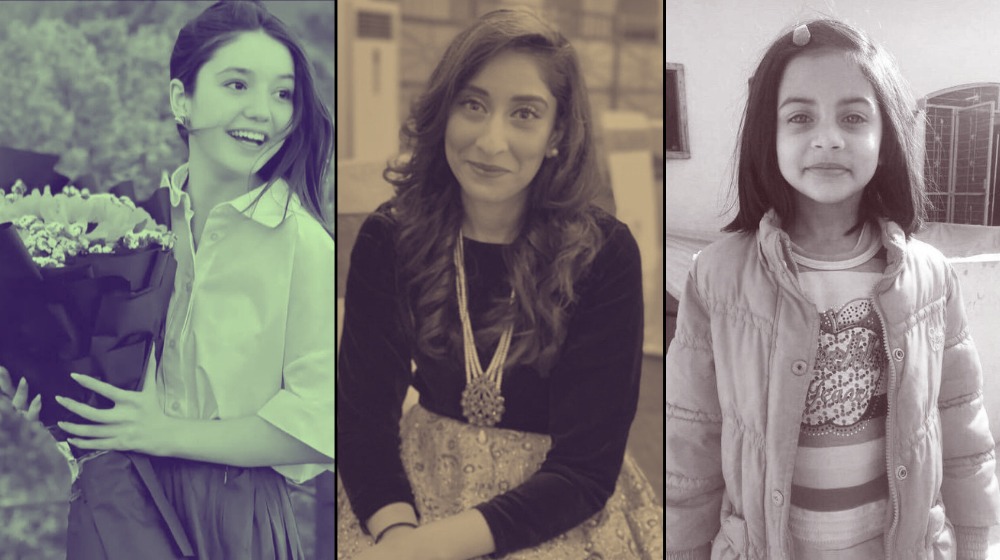
Pakistan has been shaken by countless tragedies involving violence, harassment, and even murder of women across all walks of life—from the high-profile case of Noor Mukadam to the heartbreaking story of little Zainab, and more recently, Sana Yousaf.
These incidents, spanning economic and social strata, have left the nation in mourning, sparking outrage and condemnation.
Yet, as the headlines fade, so does the urgency to address the root causes, only for the cycle to repeat with another victim. On June 18, as Pakistan grapples with its ranking as the world’s most dangerous country for women according to the World Economic Forum’s Global Gender Gap Report (148th out of 148), a critical conversation is emerging: the need to focus on raising better sons to break this cycle of violence.
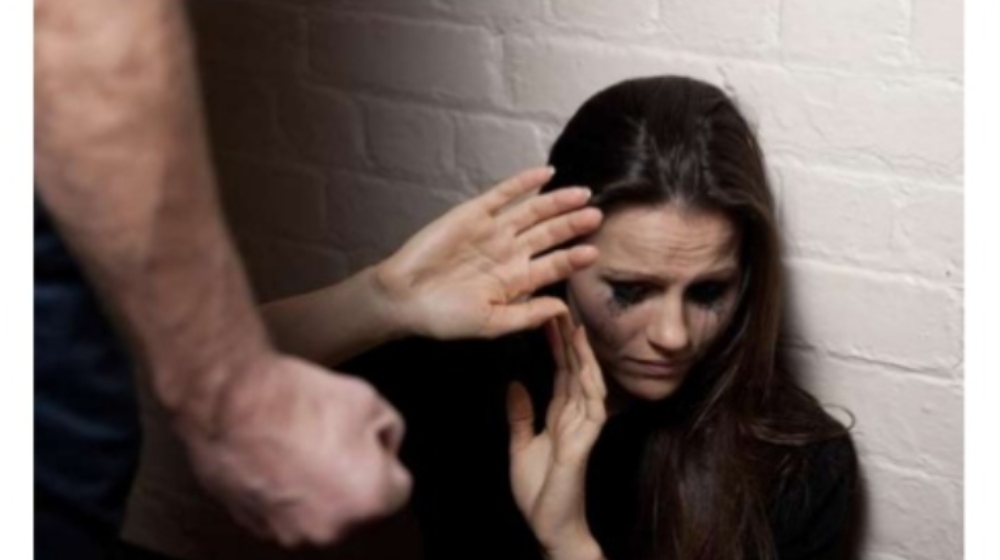
The societal spotlight often falls on girls, scrutinizing their behavior, appearance, and choices from childhood.
In many Pakistani households, girls are raised under intense pressure to conform to rigid family values and societal expectations, often at the cost of their dreams and autonomy. They are groomed to be obedient, with marriage prioritized over education or careers, and are seen as bearers of moral and cultural codes. This relentless focus creates a “cage” around girls, marked by constant correction, arguments, and, in some cases, mental or physical abuse.

In stark contrast, male children are often granted unchecked freedom. The “boys will be boys” mantra excuses aggressive behavior, bravado, and defiance, fostering a sense of entitlement. Boys are rarely held to the same moral or social standards as their sisters and are allowed to dictate their actions with minimal accountability.
Late nights, questionable behavior, and a lack of emotional guidance are normalized, leaving many young men ill-equipped to navigate relationships or societal challenges respectfully. This disparity in upbringing, experts argue, sows the seeds for the aggression and violence that later dominate headlines.
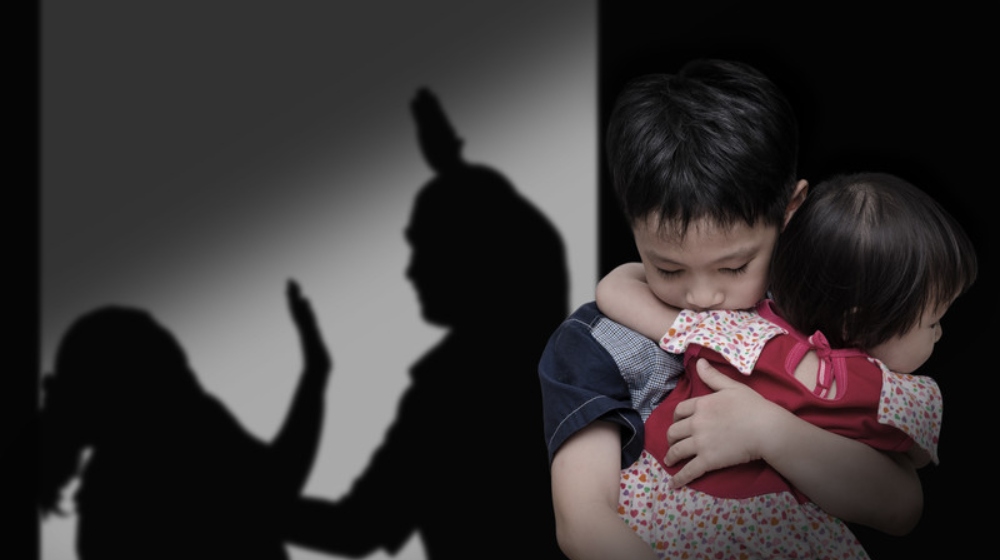
The consequences are dire. Pakistan’s epidemic of violence against women—evident in cases like the 2018 murder of Zainab Ansari and the 2021 beheading of Noor Mukadam—reflects a deeper societal failure. The country’s dismal gender equality ranking underscores the urgency of reform. Activists and educators point to a critical gap in male upbringing: the absence of emotional intelligence and consent education.
Teaching boys to regulate emotions could prevent destructive behaviors like crime, addiction, or suicide, fostering a society where conflicts don’t escalate to violence. Equally vital is instilling the concept of consent, ensuring boys understand that a woman’s “no” is non-negotiable and that she, like him, has autonomy over her body and choices.
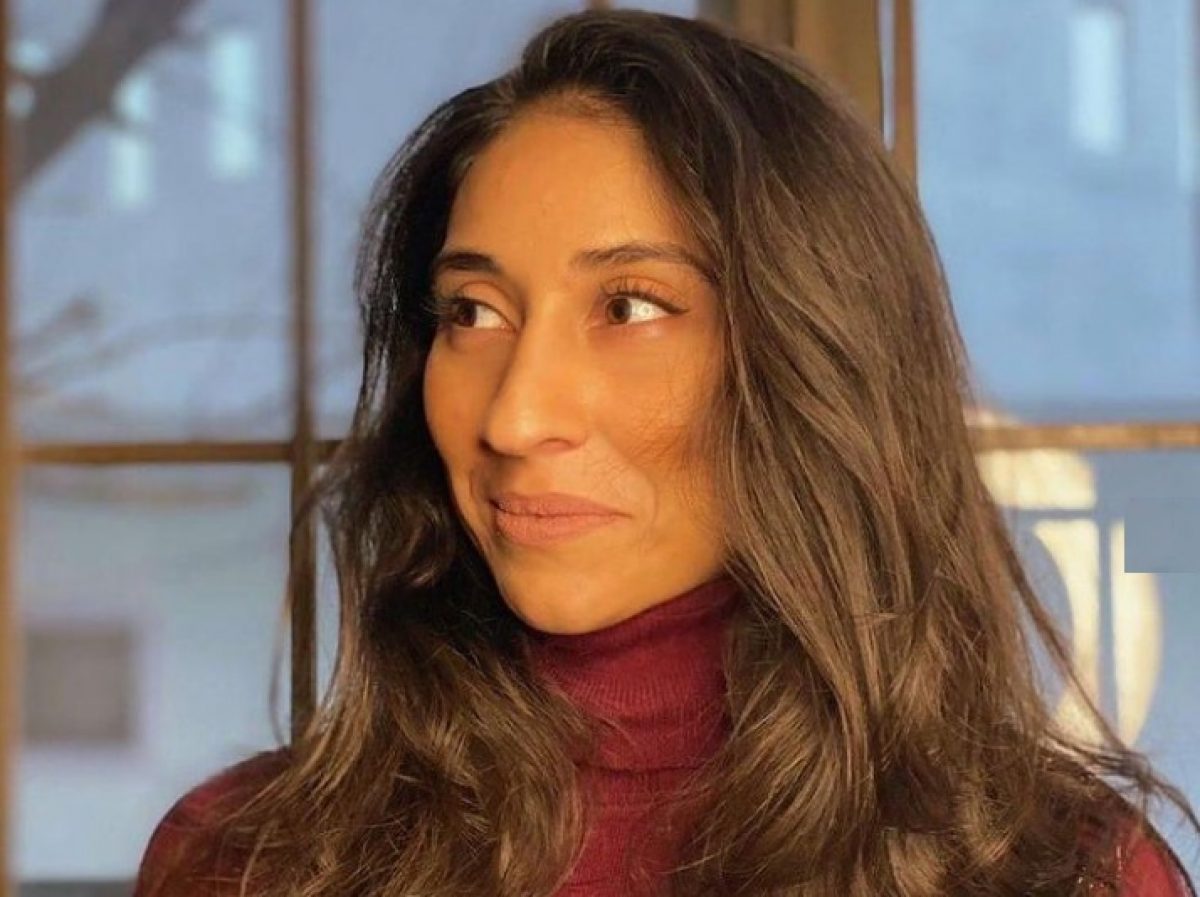
Understanding female biology and perspectives could further dismantle harmful stereotypes, reducing tendencies toward “mansplaining” or dismissing women’s experiences. Positive male role models are also crucial. Fathers must actively participate in child-rearing, modeling respect and equality in their interactions with women. A father who treats his wife as an equal sets a powerful example, while one who doesn’t risks perpetuating toxic patterns.
The media, too, has a role to play. Dramas like Qarz-e-Jaan, featuring Nameer Khan’s portrayal of a poorly raised young man, highlight the consequences of a neglected upbringing. Such narratives can spark reflection, but more are needed to challenge entrenched norms. Schools must integrate gender equality and emotional intelligence into curricula, teaching boys about the harms and celebrating female role models.
Crucially, boys should learn that vulnerability, like crying, is human, not weak, and that real strength lies in uplifting others, not causing pain.
The call to action is clear: parents, schools, and media must prioritize grooming boys from an early age to be empathetic, respectful, and accountable. “We weep for our daughters but forget to raise our sons differently,” a women’s rights activist tweeted, echoing a sentiment gaining traction online.
By fostering emotional regulation, consent awareness, and gender equality in boys, Pakistan can begin to dismantle the structures that perpetuate violence against women. The time to act is now—before another tragedy reminds us of what could have been prevented.








Liberals are root of all evil, they are anti feminist. In Noor Mukadam case one liberal murdered another liberal and jahil liberals put it on Muslims to feed their ego. Even in Sana Yousaf case she wasn’t killed by some “madrasa’s molvi” bcoz of her clothing, she was killed by some random liberal (who also have tattoos on his body BTW!) who can’t accept rejection. So left wing liberal are the main cause of all the chaos and anarchy on the planet earth. And obviously history will repeat itself. I’m also liberal but I’m good liberal and exposing bad liberal. I will blame molvi when its due but in these cases u can’t blame Muslims or molvi. True Muslims will never murder another human being if they really are Muslims. Don’t put or blame Pakistan either bcoz these kinds of things happens all around the world. Recently young Mexican tiktoker also got killed, will you blame molvi for that. These tiktokers are promoting vulgar content so they are not any kind of saint but obviously that doesn’t give anyone license to kill someone.
can i suck yo dick?