




If you’ve tuned into any major drama serial lately, chances are you’ve encountered a familiar face—and an even more familiar personality. Danish Taimoor, the reigning king of “angry rich guy with a heart of gold and questionable boundaries,” is back on our screens in Sher. And if you’re feeling déjà vu, don’t worry, you’re not stuck in a time loop—he’s just playing the same character. Again.
Let’s break down the Taimoor Template: He’s always a man of means, with a fleet of cars and a security detail that would make a politician blush.
He’s got a heart of gold, but only if you’re willing to overlook the fact that he expresses affection with the subtlety of a sledgehammer. He’s the kind of guy who’ll remember the office peon’s name, but also thinks “romance” means “persistent stalking with a side of light intimidation.” If you’re a woman in his orbit, congratulations: you’re either about to be swept off your feet or just swept away—consent is optional.
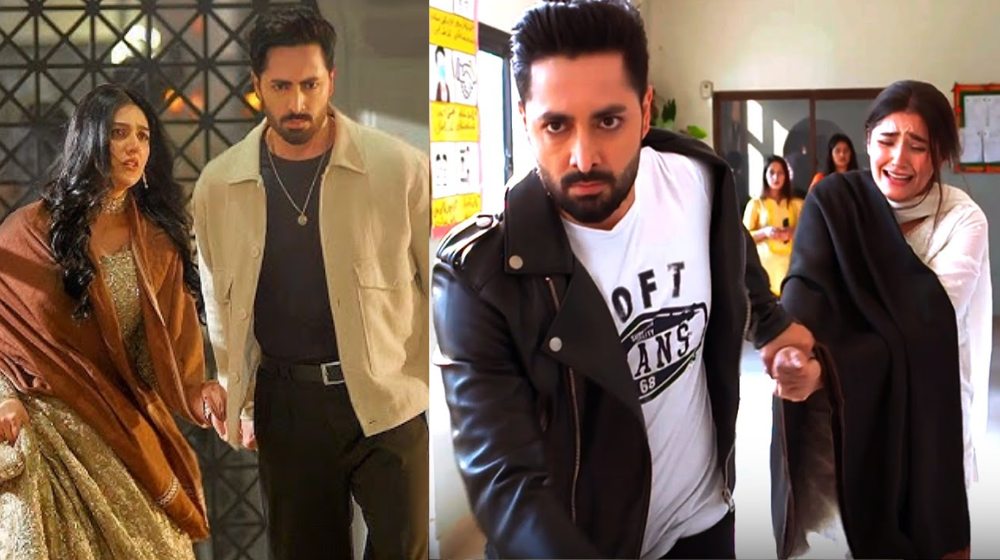
It’s a formula that’s been working overtime. Whether he’s Sher Zaman, Shamsher Dilawar, Kabir Khan, or Sultan Durrani, the only real difference is the number of syllables in his name. The wardrobe changes, the cars get shinier, but the man inside remains stubbornly the same. He’s always rich, always brooding, always ready to manhandle his way into a woman’s heart—and the script will bend over backwards to convince you this is the height of romance.
Now, one could argue that Taimoor is simply giving the audience what they want. After all, these dramas rake in the ratings, and his fanbase is as loyal as his on-screen bodyguards. But at what cost? The repetition is so relentless that even the most die-hard fans are starting to notice. The “tough guy with a tragic past” act is wearing thin, and the “romantic hero who can’t take no for an answer” is, frankly, getting a little creepy.
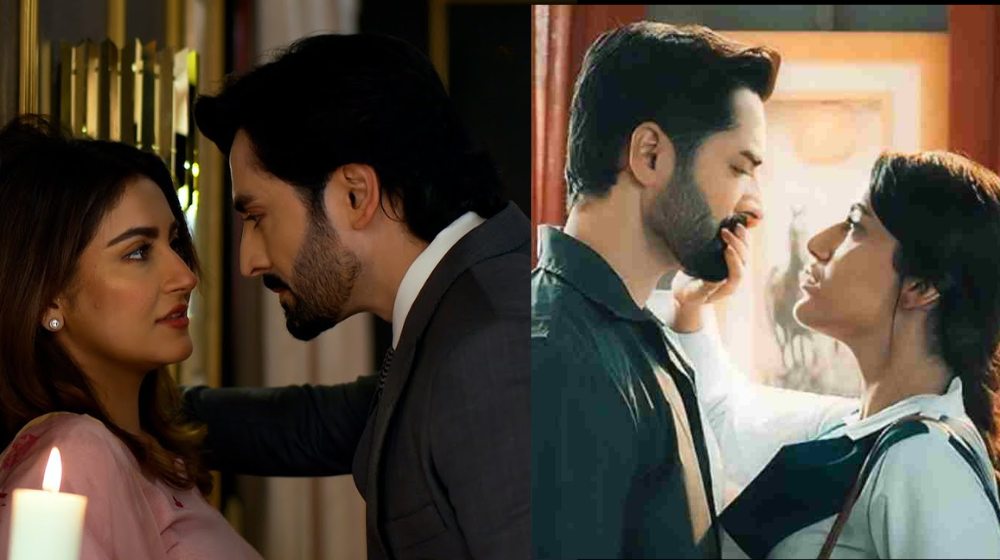
It’s not just a question of typecasting—it’s a question of range. Is Danish Taimoor truly unable to play anything else, or is he just unwilling to risk stepping outside his comfort zone? The answer, so far, seems to be a resounding shrug. Why experiment with vulnerability, humor, or—dare we say—maturity, when you can just recycle the same old alpha male routine and watch the TRPs roll in?
Of course, the blame doesn’t rest solely on Taimoor’s shoulders. Writers and producers are equally complicit, churning out scripts that glorify toxic masculinity and reward problematic behavior with love and adoration. But as the face of these stories, Taimoor has a responsibility to challenge the narrative, not just cash the paycheck.
In the end, the real tragedy isn’t the endless family feuds or the star-crossed lovers—it’s the missed opportunity. With his talent and screen presence, Danish Taimoor could be so much more than a one-note heartthrob. But as long as he keeps playing the same character, over and over, he’s not just typecast—he’s type-trapped.
So here’s a humble request: next time, Danish, surprise us. Play a teacher, a struggling artist, a man who can express love without a security detail or a restraining order. Until then, we’ll be watching—mostly out of habit, and a little bit out of hope.