Scout Motors has introduced the Scout Terra truck and Traveler SUV, both set to launch in 2027. These vehicles come with an optional gas-powered range extender, called the “Harvester,” which boosts their range to over 800 kilometers, making them ideal for long trips and towing.
This begs the question, are range extender EVs the next big thing? Considering the range is equivalent to a regular petrol-powered vehicle, thanks to the harvester, they might just be.
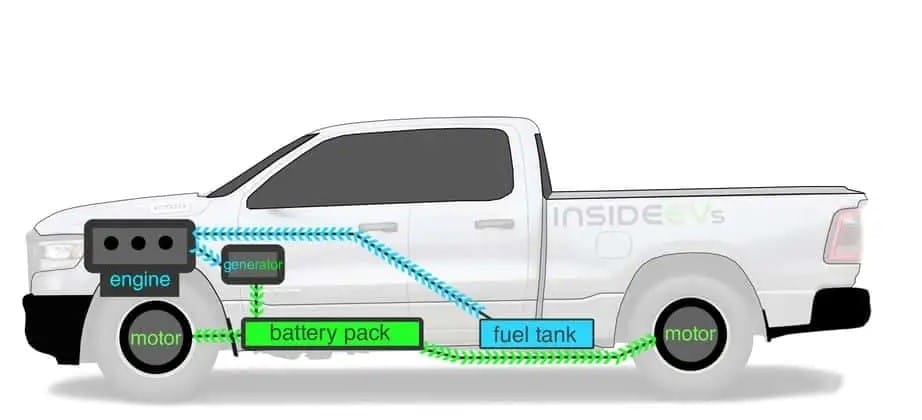
The harvester is a system that uses a gas engine to recharge the battery, unlike regular hybrids where the engine powers the wheels. Drivers can charge the battery, refuel the gas tank, or use both to extend the vehicle’s range.
These vehicles, known as extended-range electric vehicles (EREVs), help reduce range anxiety for EV users. Automakers see them as a bridge between traditional petrol-powered vehicles and fully electric ones as EV charging infrastructure improves.
Many buyers might rely more on the petrol engine than charging the battery. Since the battery in these vehicles is smaller, most of their range—480 to 565 kilometers—will come from petrol, which could limit the environmental benefits.
Scout reports strong interest in the gas extender option, with 81% of early buyers choosing it. However, it’s uncertain how often owners will charge their vehicles instead of relying on fuel.
The Scout models will compete with other EREVs like the Ram 1500 Ramcharger, expected in 2025. These vehicles aim to combine the convenience of petrol with the benefits of electric driving, but their success depends on educating buyers about how to use them efficiently to reduce reliance on fossil fuels.
Get the latest automobile news, car launches, bike reviews, videos and analysis wherever you prefer.
Add ProPakistani to Preferred Sources and see more of our stories in Google Search and Top Stories.