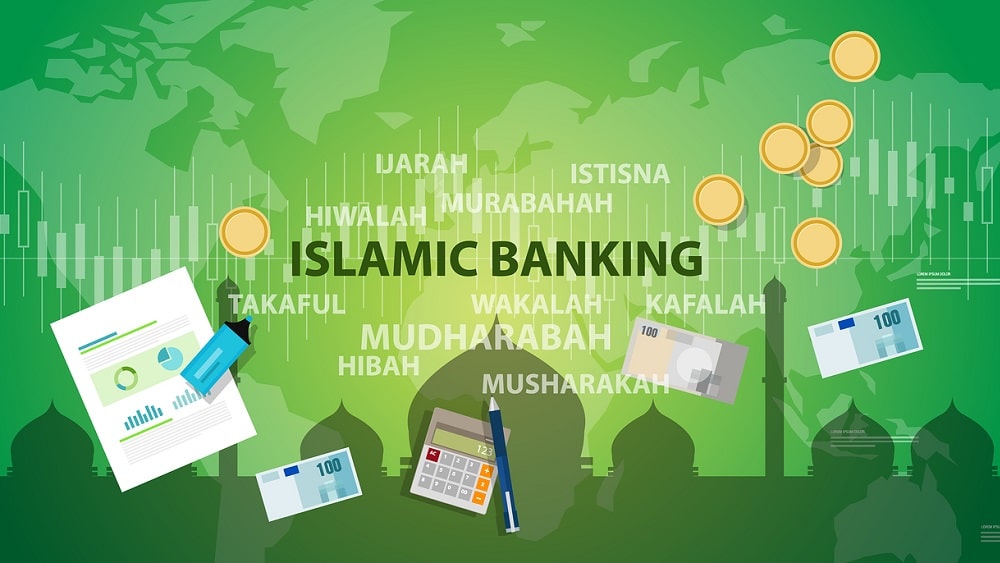
This is a monumental step towards economic transformation, and the National Assembly of Pakistan has recently passed legislation mandating the transition of all conventional banks to Islamic banking by 2027. I have been following the developments for a long time.
Islamic banking in Pakistan has grown exponentially over the past decade. As per the State Bank of Pakistan (SBP), the total assets of Islamic banks reached Rs. 7.2 trillion by mid-2023, showing a 24% year-on-year growth. Similarly, Islamic banking deposits rose to Rs. 5.8 trillion, comprising nearly 23% of the country’s total banking deposits.
Benefits of the Transition: Backed by Facts
- According to a 2022 survey by the SBP, over 80% of Pakistanis prefer Islamic banking due to religious beliefs.
- Despite this demand, only 14% of eligible adults have access to Islamic financial services, indicating a vast untapped market.
- Pakistan has over 100 million unbanked adults, according to the World Bank (2023). A significant portion of these individuals cite religious concerns as a barrier to accessing conventional financial services.
- By offering Shariah-compliant solutions, Islamic banking can help integrate these individuals into the formal economy, boosting financial inclusion and increasing national savings rates.
3. Economic Stability and Growth:
- Islamic banking discourages speculative activities (gharar) and relies on asset-backed financing. According to the Islamic Development Bank (IDB), economies with higher Islamic banking penetration, such as Malaysia and Saudi Arabia, experienced greater financial stability during global crises compared to conventional systems.
- In Pakistan, the agricultural sector—which contributes 22.9% of GDP—stands to benefit immensely from interest-free financing models like Salam and Murabaha, enabling farmers to access credit without exploitative terms.
- Data from the SBP shows that nearly 70% of small and medium enterprises (SMEs) in Pakistan struggle to access affordable credit. Islamic banking’s risk-sharing and partnership-based models can bridge this gap, promoting entrepreneurship and reducing income disparities.
- Globally, Islamic finance assets are projected to reach $4 trillion by 2025, offering Pakistan an opportunity to become a regional leader in this lucrative market.
Challenges and Solutions
- Pakistan has 42 commercial banks, of which only 5 are fully Islamic as of 2023. Converting the remaining conventional banks requires comprehensive restructuring of loan portfolios, training of staff, and Shariah-compliant product development.
- The SBP has already launched a Transformation Plan (2023-2027) to guide banks through this process, providing technical assistance and incentives for compliance.
- Many consumers are unfamiliar with Islamic banking products, leading to skepticism. A nationwide awareness campaign, supported by SBP, can educate the public about the benefits and principles of Shariah-compliant banking.
- The success of existing Islamic banks, such as Meezan Bank (which posted Rs/ 21 billion in profit in 2022), can be showcased as proof of the model’s viability.
3. Regulatory Oversight:
- Ensuring compliance with Shariah principles will require strengthening the SBP’s Shariah Governance Framework. Additionally, a centralized Shariah Board has been proposed to provide uniform guidelines across all banks. The transition to Islamic banking represents a profound shift in Pakistan’s financial system.
If implemented successfully, it can: - Increase Islamic banking’s market share to 35% of total banking assets by 2027, as projected by the SBP.
- Boost GDP growth by at least 0.5% annually, according to a study by the International Monetary Fund (IMF), due to higher financial inclusion and risk-sharing.
- Position Pakistan as a global hub for Islamic finance, attracting investments from countries like Saudi Arabia, UAE, and Malaysia, where Islamic finance is already a dominant force.
Stay Connected with ProPakistani
Get the latest business news, market insights, and economic updates wherever you prefer.
Add ProPakistani to Preferred Sources and see more of our stories in Google Search and Top Stories.












