Geopolitical instability, safety concerns, and authoritarian policies have driven tourists away from several destinations once known for their rich culture, natural beauty, or historical landmarks. This report outlines seven countries where tourism has significantly declined in recent years.
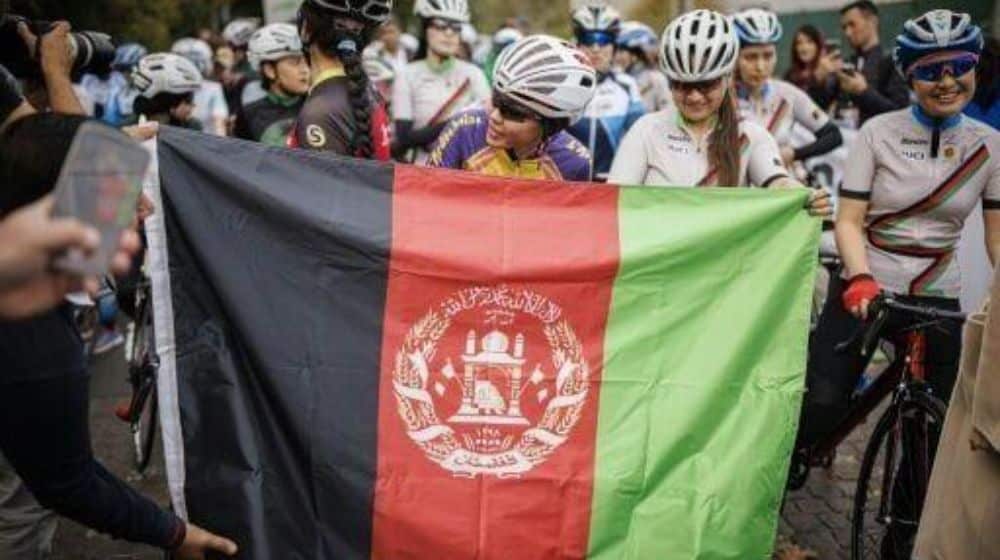
Afghanistan, once an attraction for adventurous travelers, is now nearly inaccessible due to ongoing instability. Following the Taliban’s return to power, tourism has dropped by over 90%. With checkpoints, conflict zones, and widespread insecurity, access to sites like the Bamiyan Buddhas is severely restricted. The US State Department has issued its highest-level travel warning, advising against all travel. Humanitarian crises and infrastructure collapse further compound the risks.
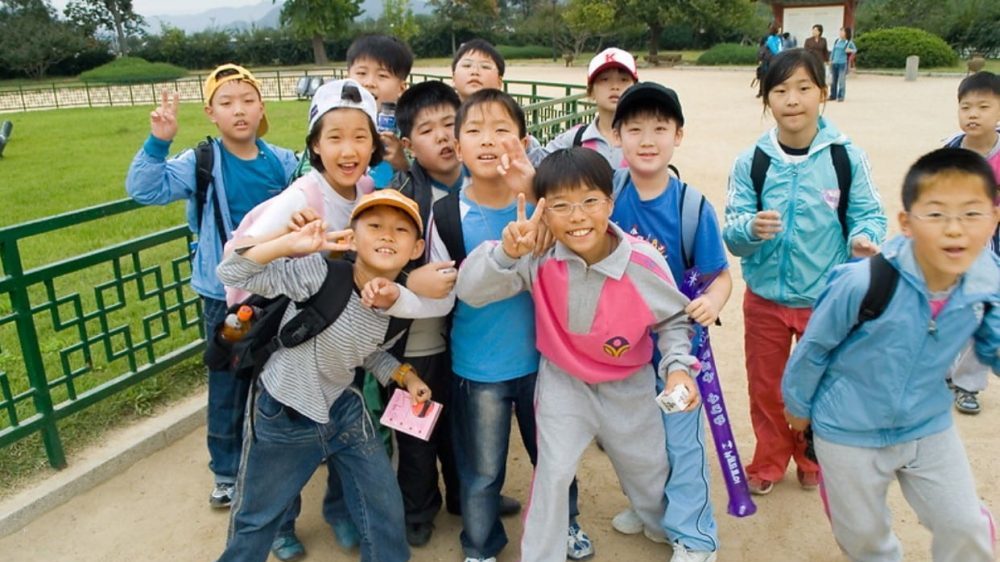
Tourism in North Korea has always been limited, but recent developments have made access even more difficult. In 2023, the government further reduced the number of authorized tour operators and implemented stricter monitoring. All visitors must adhere to tightly controlled itineraries under constant supervision. Deviations have led to detentions, severely impacting travel demand. Since 2019, tourism has declined by over 80%, and even neighboring China has scaled back tourism ties.
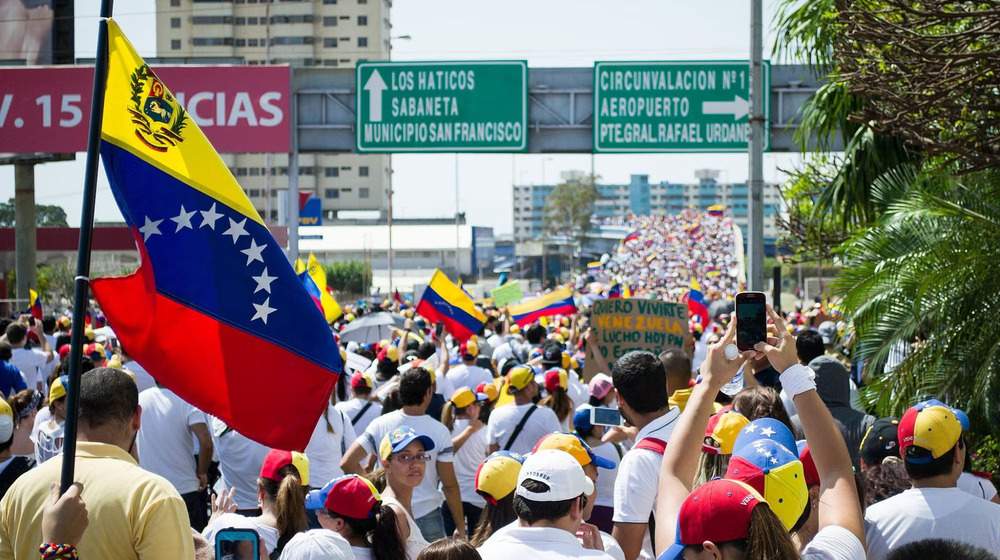
Venezuela’s tourism sector has deteriorated as the country continues to face economic instability and a surge in violent crime. Once known for its natural wonders like Angel Falls, Venezuela now sees fewer visitors amid concerns over safety, healthcare shortages, and civil unrest. The US government has issued a Level 4 travel advisory. Many international airlines have halted flights, and travel insurance coverage is rare, rendering the country virtually inaccessible to foreign tourists.
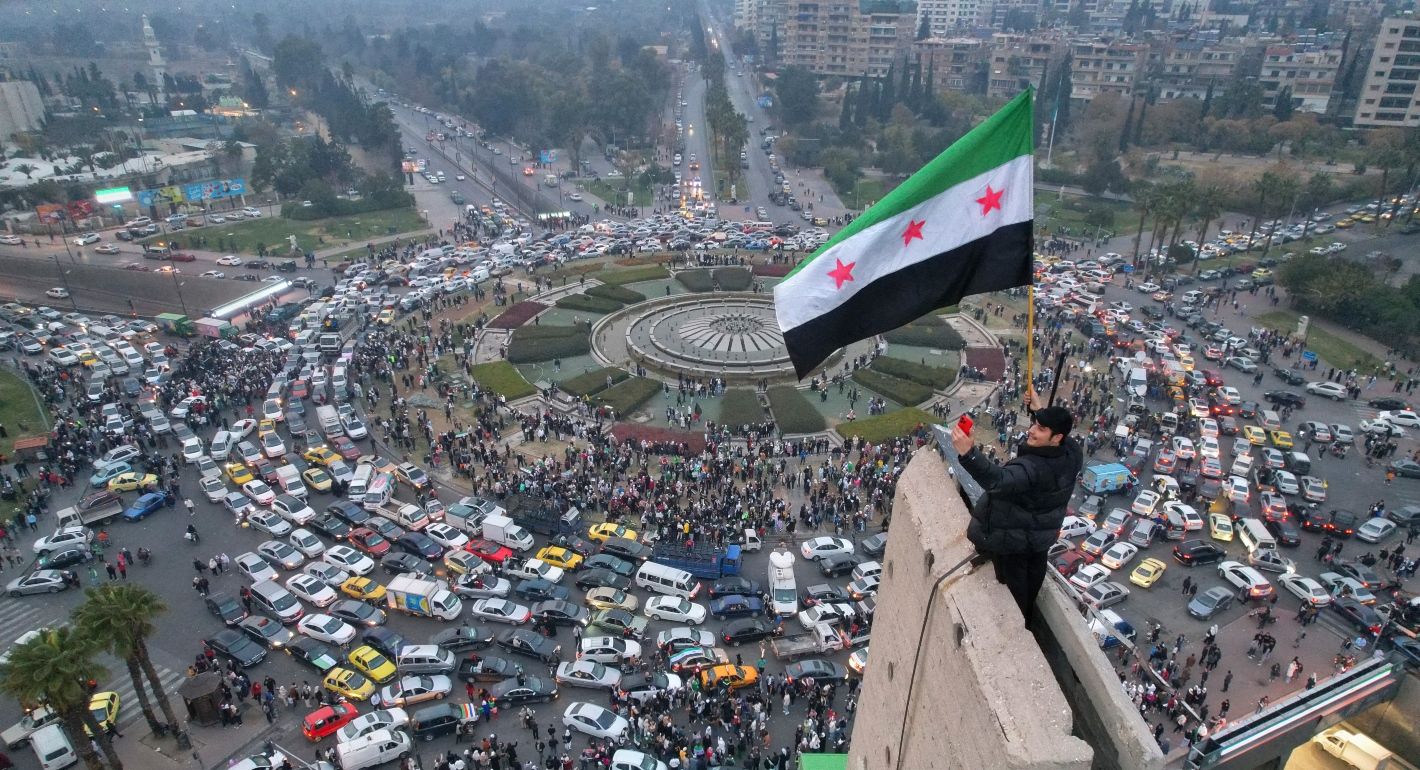
Syria’s prolonged civil war has devastated its tourism infrastructure. Historic sites such as Palmyra and Aleppo’s old city have been damaged or destroyed. In 2024, fewer than 10,000 tourists visited, a dramatic decline from pre-war numbers. Foreign governments cite risks of violence, terrorism, and kidnapping. Roads remain dangerous or impassable, and local tour operators have largely shut down operations. The nation’s focus has shifted to addressing basic humanitarian needs.
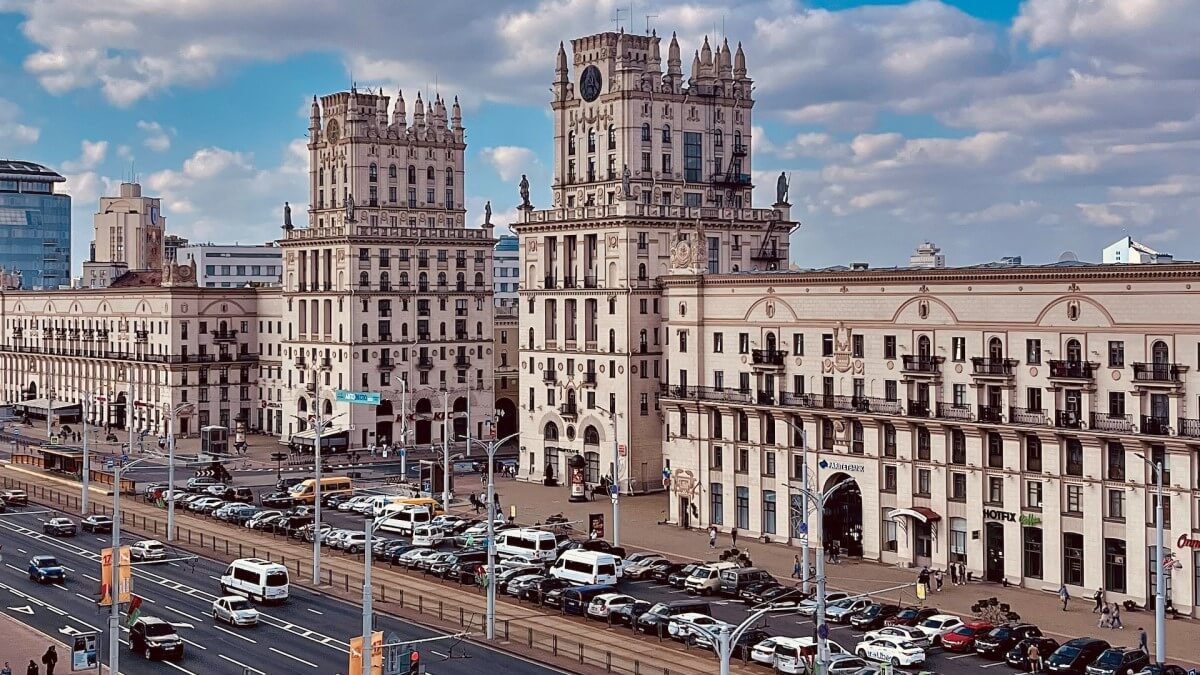
Following the disputed 2020 presidential election, Belarus has experienced significant political repression and international isolation. Tourist arrivals dropped by over 60% in 2023. Government suspicion toward foreigners, surveillance, and difficulties in obtaining visas have made travel uncomfortable and risky. Western sanctions have also impacted transportation and banking services, complicating even basic travel logistics.
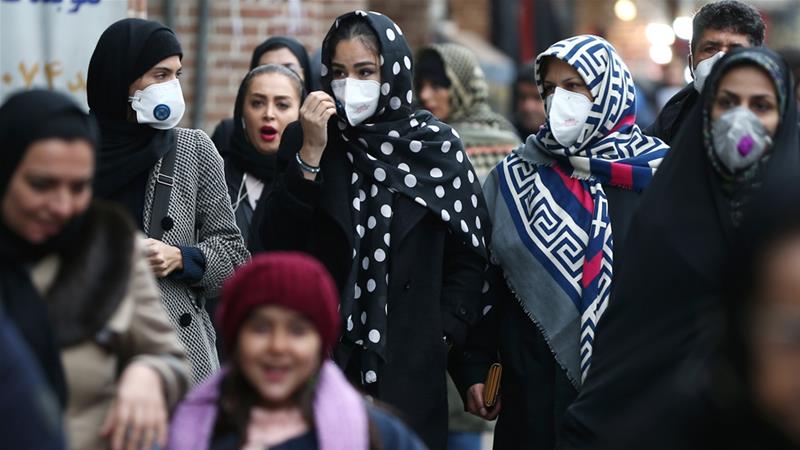
Iran, once known for its historical sites and cultural richness, has seen tourist arrivals cut by more than half since 2019. Heightened tensions between Iran and Western nations have led to visa delays and fears of arbitrary detention. The US State Department’s Level 4 warning advises against travel, particularly for Americans. Even within the country, social restrictions and surveillance have limited the accessibility and comfort of travel experiences.
Myanmar’s rapid decline in tourist numbers followed the military coup and ensuing political violence. Once celebrated for destinations like Bagan and Inle Lake, the country now faces widespread travel restrictions, power outages, and infrastructure breakdowns. The US has issued a Level 4 advisory, and major airlines have canceled flights. Local businesses that once relied on tourism now urge travelers to stay away until peace is restored.
Get the latest international news and global stories wherever you prefer.
Add ProPakistani to Preferred Sources and see more of our stories in Google Search and Top Stories.