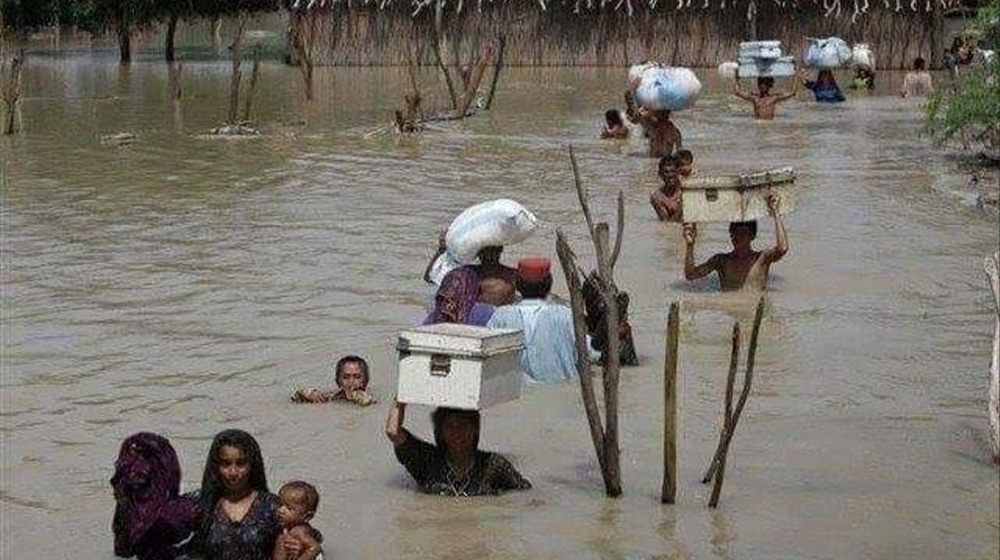
Relentless monsoon rains combined with India’s abrupt release of heavy water flows into rivers have triggered widespread flooding across Punjab, prompting the government to deploy army troops in eight districts—Lahore, Kasur, Sialkot, Faisalabad, Narowal, Okara, Sargodha, and Sheikhupura—according to the National Disaster Management Authority (NDMA).
The Punjab government confirmed the emergency deployment after urgent requests from district administrations. Rescue 1122, police, and civil defence teams are already operating in flood-hit areas, but rapidly rising river levels have created a critical situation. Authorities added that Army Aviation support, boats, and additional resources will be provided if the situation escalates further.
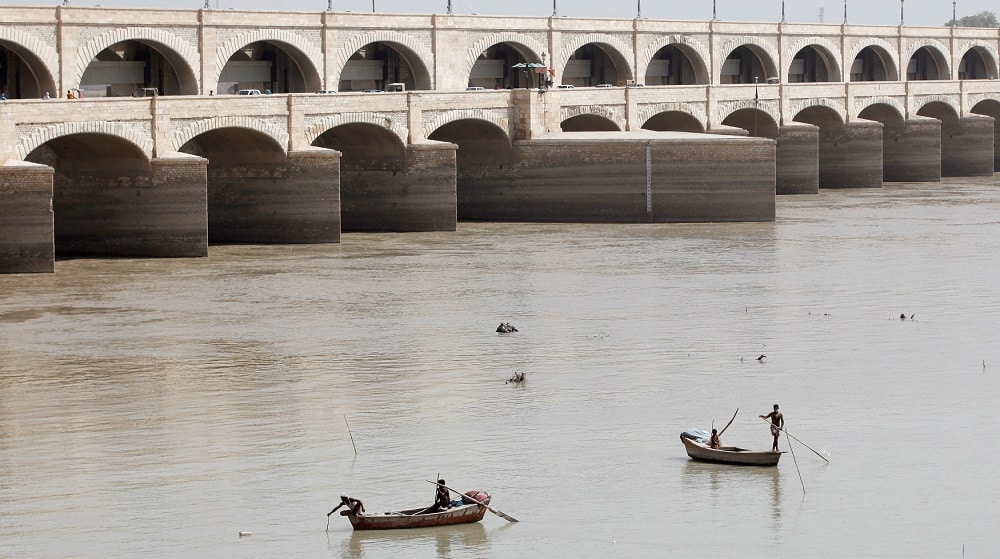
Rivers Overflowing
The Irrigation Department reported dangerous surges in key rivers:
- Chenab (Head Marala): Over 900,000 cusecs, exceeding extremely hazardous levels.
- Chenab (Khanki): 657,511 cusecs, worsening downstream flooding.
- Ravi (Jassar): 226,240 cusecs, posing a threat to Shahdara and nearby Motorway-2 areas.
- Sutlej (Ganda Singh Wala): 245,236 cusecs, expected to reach 280,000 cusecs within 12 hours.
Gujranwala Commissioner Naveed Haider Shirazi warned that the Chenab could overflow its banks if flows hit 1.5 million cusecs, though relief camps and evacuation strategies are already in place.
Sialkot Records Decade’s Heaviest Rainfall
Sialkot was among the hardest-hit districts, receiving 405mm of rain in 24 hours—the most in more than ten years. Homes, schools, and government buildings were submerged, while the flood wave in Nullah Dek destroyed Hanjli Bridge, cutting off dozens of villages.
Rescue operations are ongoing, with 55 people evacuated from Narowal, while one woman tragically lost her life in Shakargarh after a house collapse.
Mass Evacuations Across Punjab
Floodwaters have already damaged thousands of acres of farmland, schools, and homes in Bahawalpur, Bahawalnagar, Vehari, Pakpattan, and Hafizabad. More than 174,000 residents have been shifted to safer zones, with multiple relief camps set up to accommodate displaced families.
Officials Warn of Intensifying Climate Risks
NDMA Chairman Lt Gen Inam Haider highlighted that climate change is amplifying the frequency and severity of floods in Pakistan, warning that impacts could worsen by up to 22% in the coming year.
Meanwhile, Prime Minister Shehbaz Sharif has directed authorities to step up rescue efforts and ensure immediate access to food, shelter, and medical care for flood-affected communities.
Stay Connected with ProPakistani
Get the latest news and stories wherever you prefer.
Add ProPakistani to Preferred Sources and see more of our stories in Google Search and Top Stories.















the all okay picture presentation and colonel sahb will fix it scheme.