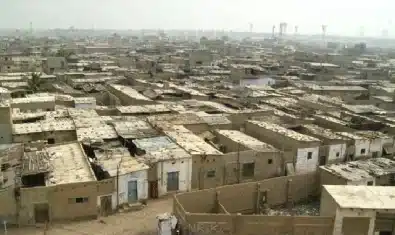
Every year natural disasters wreak havoc in the cities, these uninvited natural calamities trigger a chain of devastating events ranging from poverty to homelessness. As scientists study the causes of natural disasters and issue advisories, the construction domain changes its facet as per the evolving techniques.
Graana.com, through this blog, sheds light on disaster resilient construction, which is finding strong footings and developing cities that can withstand natural calamities. As the phenomenon of climate change is expediting, its effects will undoubtedly be also faced by the buildings and the way our buildings are designed.
Explaining Disaster Resilient Construction
The concept of disaster-resilient construction can be attached to any construction activity or a building where the proper mechanisms and modern construction practices are adopted for making buildings resilient from disasters.
For example, various building codes are being adopted worldwide, ensuring that a building is constructed keeping in view the natural disaster a locality faces.
Below are the techniques elaborated for establishing disaster-resilient construction:
Flood Resilient Construction
Flood resilient construction incorporates tactics necessary to prevent a building from the effects of the flood. In most cases, flood resilient buildings are constructed using steel and concrete by developing a water-resistant asphalt layer.
Cavity walls of the buildings are filled with water-resistant materials below the flood level to disallow the water from going inside the buildings and prevent the formation from contamination. Similarly, beams and block floors must also be constructed using waterproof material to protect the concrete floors.
Earthquake Resistant Structures
Earthquake-resistant buildings are no less than a marvel of structural engineering and construction. Structures on the fault lines have to adopt certain building procedures that prevent them from the earthquake jolts.
Buildings that are resilient to earthquakes have flexible foundations, which is a way of controlling the shocks. The foundations are constructed using adjustable pads made of steel, rubber, and pads, which keeps a building steady while the foundation vibrates during; these earthquakes.
In some buildings, shock absorbers are also used for resisting earthquake shocks which revolve around vibration control devices and pendulum dampers. The dampers are placed between the columns and the beams of the buildings.
Fire Resistant Buildings
Preventing buildings from fire is mostly about adopting precautionary measures since most buildings do not lose material strength after being lit up by a fire. Buildings are mainly constructed using steel and concrete.
All the structural materials are non-combustible, which means that the interior of the buildings should be given a particular focus. A resident should use non-combustible materials inside a building in order to prevent the incident of fire.
If there is woodwork in the building, the wood should be fire-resistant, and fire alarms should be. These were installed in the building.
Managing Heavy Snow
Excessive snow can become problematic for the residents and can also take the shape of a natural disaster. Therefore, the construction practices of the areas prone to snow incorporate the principles that mitigate the impact of heavy snow.
The buildings designed specifically for tackling the effects of snow have steep roofs to avoid snow accumulation. The envelopes of buildings are designed such that the snow does not impact the buildings, and their foundations withstand the heavy loads of the snow.
Stay Connected with ProPakistani
Get the latest news and stories wherever you prefer.
Add ProPakistani to Preferred Sources and see more of our stories in Google Search and Top Stories.