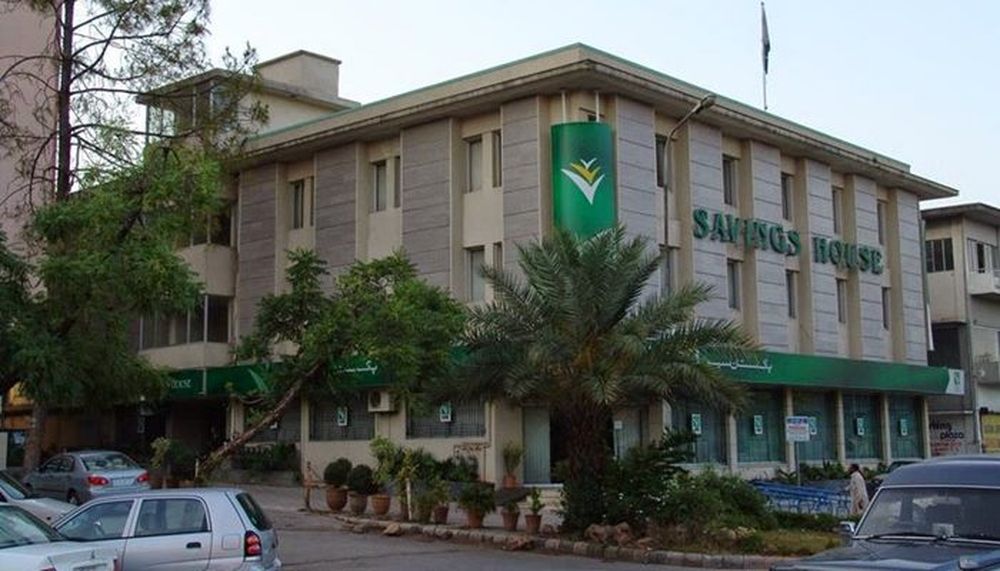
The federal government has increased profit rates on several National Savings certificates, offering higher returns to investors amid efforts to maintain the attractiveness of savings instruments.
According to a notification issued by the National Savings Department, the revised rates took effect from May 26, 2026. New rates are essentially much higher than the latest central bank benchmark lending rate.
Under the new structure, Special Savings Certificates and Special Savings Accounts will offer an annual return of 11.6 percent for the first five profit payouts, while the final payout will carry a profit rate of 12.4 percent.
Returns on Short Term Savings Certificates have also been revised upward. The three-month certificate will now offer 10.84 percent annually, while the six-month and one-year certificates will provide returns of 10.58 percent and 11.23 percent, respectively.
The profit rate on regular Savings Accounts has been fixed at 10 percent per annum. Meanwhile, rates on some of the most popular government-backed savings products remain unchanged.
Defence Savings Certificates, Bahbood Savings Certificates, Pensioners’ Benefit Accounts and Shuhada Family Welfare Accounts will continue to offer annual returns of 12 percent.
The National Savings Department has also increased expected returns on its Sarwa Islamic schemes.
The one-year Sarwa Islamic Term Account will now offer an expected annual return of 10.93 percent, while the five-year Sarwa Islamic Term Account will provide an expected return of 11.16 percent.
National Savings Schemes remain one of Pakistan’s largest retail investment avenues, particularly among pensioners, retirees and risk-averse savers seeking government-backed returns.
Changes in profit rates generally follow movements in interest rates and broader monetary policy trends.
Stay Connected with ProPakistani
Get the latest business news, market insights, and economic updates wherever you prefer.
Add ProPakistani to Preferred Sources and see more of our stories in Google Search and Top Stories.













Good. They should be. No more holding the bag for Rich companies with their loans