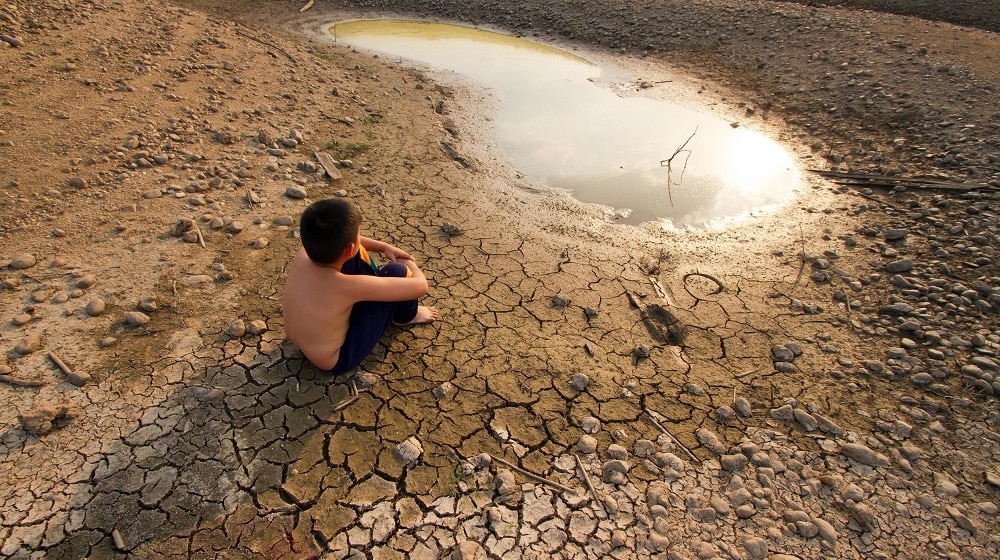
Decades of neglect and malpractices at the individual, organizational, and societal levels are now ricocheting in the form of catastrophic scenes that the world witnesses today.
The deadline set by the United Nations to achieve social, economic, and environmental sustainability by 2030 through the Sustainable Development Goals is fast approaching, but the reality on the ground has not changed much compared to the scale of action needed for a sustainable, prosperous world.
While the awareness of what is good and what is bad for our surroundings is there, compassion and a sense of responsibility are still missing that is essential to take active action to protect our world from impending dangers.
Harm Reduction Approach
A harm reduction approach can provide that attitudinal change in the form of a blueprint that can systematically guide a route to identify problematic behaviors and cut down the harmful impact of the actions that are a threat to the sustainability of our society and environment.
The core concept of harm reduction strategies is to take a practical approach to limit the harmful effects of certain behaviors in cases where complete mitigation of those actions is not easily achievable. While this strategy is traditionally associated with the field of public health, if we review our daily routine, we will notice how harm reduction is an integral part of our day-to-day actions and how we practice it every day.
For instance, we know being exposed to sun rays can be harmful and can cause many skin-related diseases, but, of course, we cannot completely avoid going out in the sun. However, we can wear sunscreen, carry an umbrella, or wear clothing that minimizes our direct exposure to the sun and reduce the harm of its rays. Similarly, emissions from petrol and diesel cars are known to be damaging to the environment, but driving has become an inescapable part of our life today. To reduce the resultant air pollution, electric cars are now being introduced to bypass the burning of fossil fuels, resulting in lower emissions. That’s harm reduction.
Tree plantation drives are also being organized on national levels to counter the negative impacts of toxic emissions from factories as a measure to reduce harm to the environment.
Pakistan’s Case
Pakistan contributes less than 1% of the global greenhouse gas emissions, but it is constantly listed among the top 10 countries vulnerable to climate change. While it is the industrialized nations of the world that are emitting tonnes of carbon dioxide into the atmosphere year every year, it is the developing countries that are bearing the brunt of their actions. The current unprecedented floods have affected 33 million people in Pakistan.
It is no longer a question of what, who, and where; individuals, businesses, and governments everywhere need to be cognizant of the impact they are leaving on their surroundings and need to take proactive measures to minimize the harm. Everybody needs to have a collective consciousness now and think of the larger impact of their actions.
We need to take responsibility for our actions, and introspect how our actions, seemingly small, go on to have compounded, multiplied impact on our surroundings, circling back harm to the entire society.
People are realizing how our world is collapsing due to global warming and climate change catalyzed by our irresponsible actions. This is why there is a notable trend of many people ditching single-use plastics from their life and opting for sustainable alternatives. Businesses also, these days, are not only focused on delivering their products or services but are also conscious of their externalities, both environmental and social. Many organizations have made net zero pledges and are committing to nature positivity.
Harm reduction, at all levels, is no longer a choice. We are at a stage where we need to accept and identify our actions that may have negative consequences and take measures to step-by-step cut down on their harmful effects. By employing thorough research and scientific interventions, harm reduction can play a vital role in containing the damage our actions would otherwise cause.
Unless we take responsibility and active action to reduce harm to ourselves and to our surroundings, we simply cannot bring about the change we need for a sustainable world.
Stay Connected with ProPakistani
Get the latest news and stories wherever you prefer.
Add ProPakistani to Preferred Sources and see more of our stories in Google Search and Top Stories.