
I started watching football in 2002. I did not know then that Arsenal would become such a big part of my life.
Back then, Arsenal were not just a football club. They were poetry in motion. Arsène Wenger had built a team that played with speed, style, and intelligence.
Thierry Henry made the impossible look casual. Dennis Bergkamp made football feel like art. Patrick Vieira made midfield battles look personal. Robert Pires, Freddie Ljungberg, Sol Campbell, Ashley Cole and Gilberto Silva made Arsenal feel complete.
Then came the Invincibles.

The 2003 to 2004 season became the standard for everything I thought Arsenal should be. Arsenal won the Premier League without losing a single match. For a young fan, that was not just success. That was identity. It made me believe Arsenal were supposed to win beautifully.
But football does not always work like that.
The Long Wait After the Invincibles
After 2004, Arsenal entered a different era.
The move to the Emirates Stadium changed the club. The team still played good football, but the edge faded. Arsenal sold stars. Rivals spent heavily. The club became careful, and then too careful.
Every season brought hope. Then came the usual collapse. A bad run in February. An injury crisis. A painful defeat at Old Trafford, Stamford Bridge, Anfield or the Etihad. The story repeated itself.

And then came the trolling.
Arsenal became the club of “top four trophy” jokes. Rival fans mocked the lack of titles. Even neutral fans stopped treating Arsenal as serious contenders. We had good players, but not enough winners. We had beautiful football, but not enough authority.
As a fan, that period was exhausting.
I watched Cesc Fàbregas leave. I watched Robin van Persie leave. I watched Alexis Sánchez slowly lose faith. I watched Mesut Özil create magic in a team that often lacked balance. I watched good Arsenal sides fall short again and again.
Still, I watched.
From Banter Club to Rebuild
The decline did not happen overnight, and neither did the rebuild.
After Wenger left, Arsenal looked lost for a while. The club had to rebuild its football structure, its squad, its standards and its confidence. Mikel Arteta arrived in December 2019, and at first, many people doubted him. That doubt was understandable.
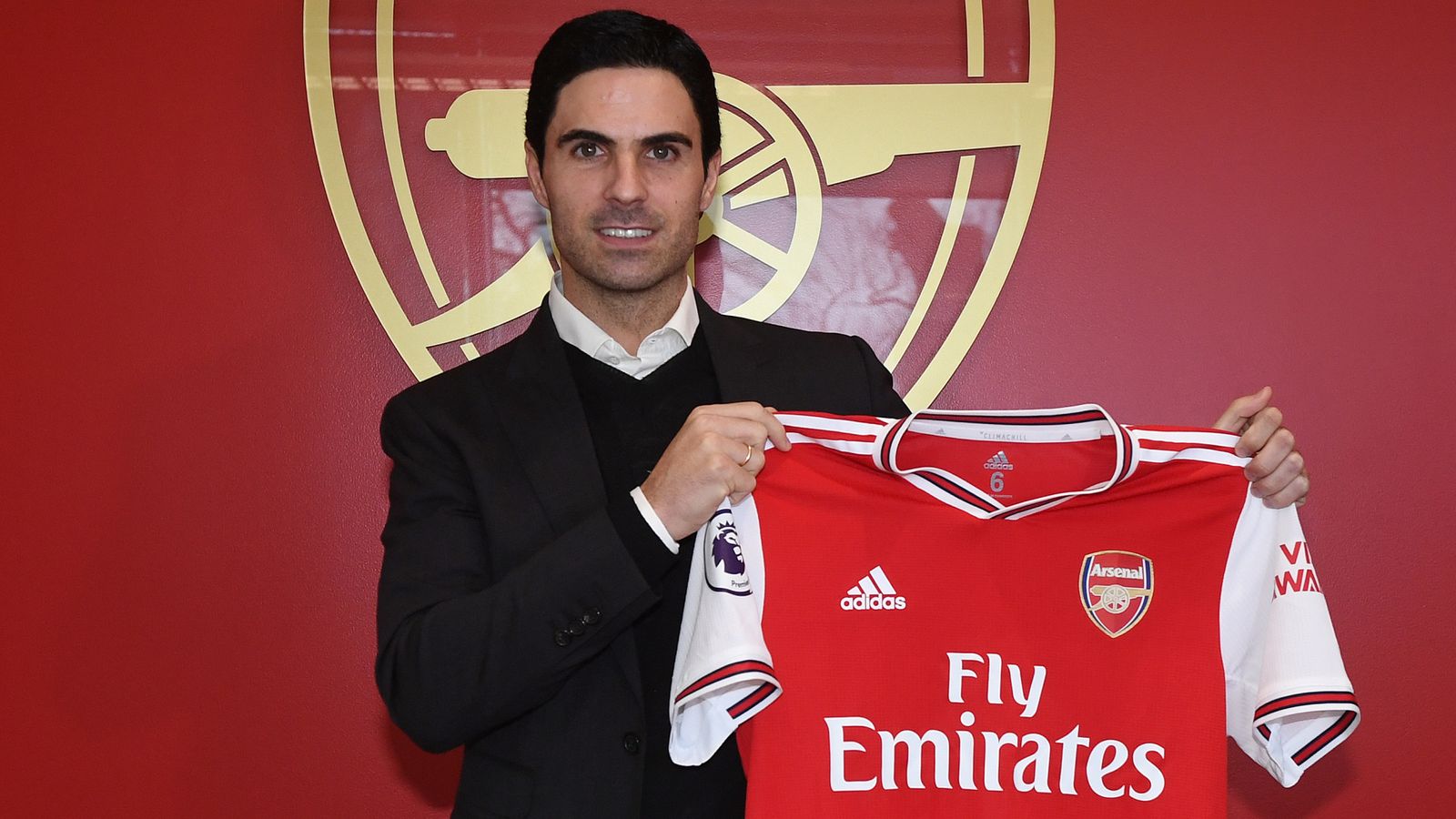
There were poor performances. There were painful defeats. There were questions about tactics, recruitment and discipline. But slowly, something changed.
Arsenal became younger. Arsenal became sharper. Arsenal became harder to bully.
Bukayo Saka became the face of the new Arsenal. Martin Ødegaard gave the team control and intelligence. William Saliba gave the defence authority. Gabriel Magalhães added aggression. Declan Rice brought power and leadership. The club no longer looked like it was trying to copy the past. It looked like it was building something new.
Coming Close Made It Hurt More
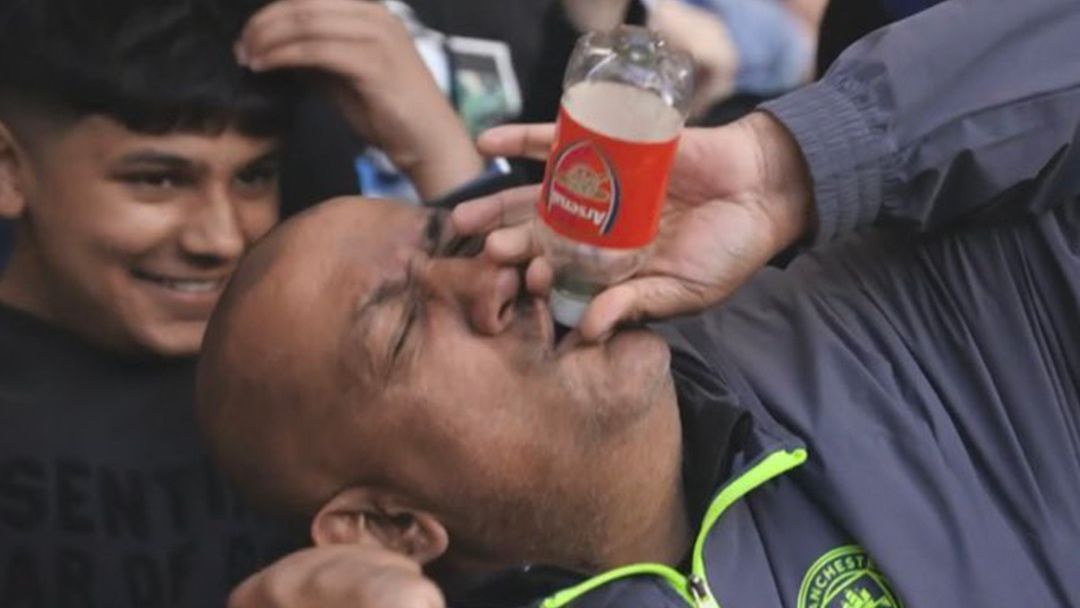
Before this title, Arsenal came close three times. That made the wait even harder.
Those near misses hurt because Arsenal were no longer miles away. They were right there. They had returned to the title race. They had forced rivals to take them seriously again. But they still had to learn how to finish the job.
That is the hardest step in football.
It is one thing to become competitive. It is another thing to become champions.
Arsenal had to carry the pain of those failed attempts. They had to live with the questions. Could they handle pressure? Could they last the full season? Could they beat Manchester City to the line?
This time, they did.
Arsenal Finally Win the Premier League Again
Arsenal have now won the Premier League for the first time in 22 years. The title was confirmed after Manchester City drew 1 to 1 with Bournemouth, leaving Arsenal with an unassailable lead before the final day.
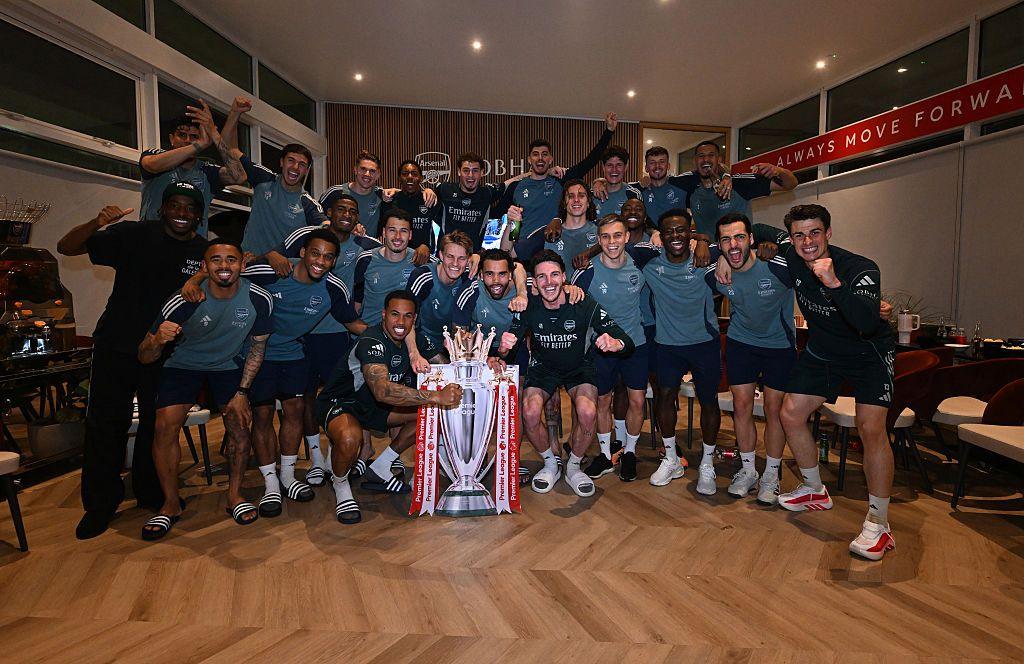
For many fans, it was not just a title. It was a release.
It ended 22 years of waiting. It ended 22 years of jokes. It ended 22 years of “almost.” It ended the feeling that Arsenal’s greatest league days belonged only to old videos and memories.
This title means Arsenal are champions of England again.
Why This Arsenal Title Feels Different
This Arsenal team did not win the league by trying to recreate the Invincibles.
That is important.
The Invincibles were fluid, elegant and frightening in transition. This Arsenal side are more controlled. More physical. More structured. More ruthless without always looking spectacular.
They can defend. They can manage games. They can win ugly. They can handle pressure. They can hurt teams from set pieces. They can grind out results when the football is not flowing.
That is what champions do.
For me, that image matters. Arteta was not just celebrating a trophy. He was celebrating a project that survived doubt, pressure and repeated heartbreak.

This Journey Feels Personal
When I started watching football, I saw Arsenal at their peak.
That shaped my expectations. I thought title races were normal. I thought Arsenal winning major trophies was normal. I thought every club had players like Henry, Bergkamp and Vieira.
Then football taught me patience.
It taught me that history does not protect you. Reputation does not win matches. Style does not guarantee trophies. A big club can drift if it loses its edge.
For years, Arsenal fans had to defend the club without much evidence. We spoke about tradition, football values and beautiful play. Rival fans spoke about trophies. They had the stronger argument.
Now, finally, Arsenal have answered on the pitch.

What This Title Means for Arsenal Fans
This title is for the fans who watched the Invincibles.
It is also for the fans who joined during the difficult years and stayed.
It is for the fans who watched Arsenal lose 8 to 2 at Old Trafford. It is for those who saw Bayern Munich destroy them in Europe. It is for those who heard “same old Arsenal” every season. It is for those who watched rivals win while Arsenal rebuilt slowly.
It is for the fans who never stopped believing that the club could come back.
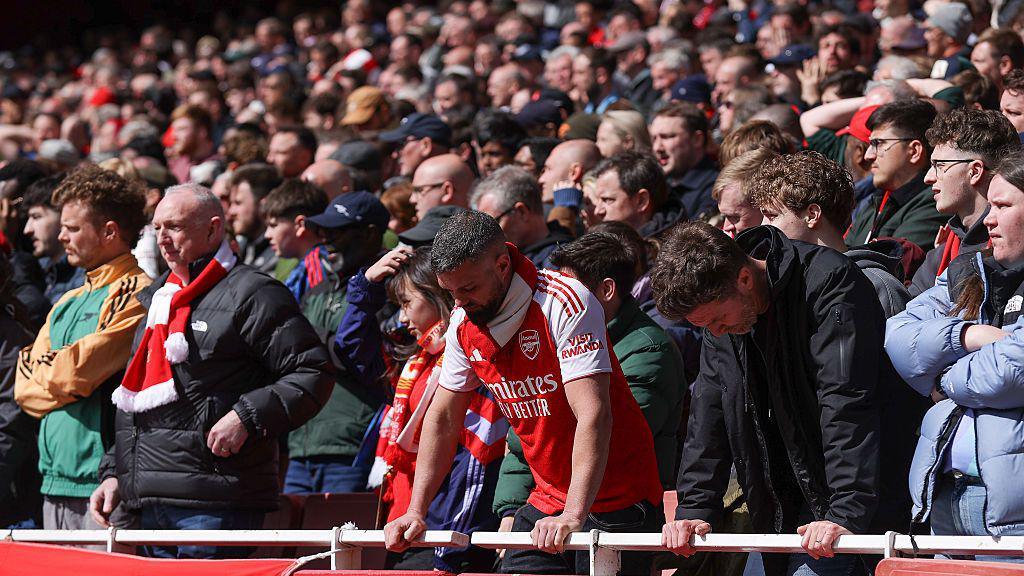
And above all, it is for a generation that had never seen the Gunners lift the Premier League trophy.
They finally have their moment.
Arteta Has Written His Own Arsenal Chapter
Mikel Arteta will never be Arsène Wenger. He does not need to be.
Wenger built the most beautiful Arsenal team of the Premier League era. Arteta has built the team that ended the drought.
That is his legacy now.

He took Arsenal from uncertainty to belief. Then from belief to contention. Then from contention to champions.
That makes the achievement even bigger. He did not inherit a title-winning machine. He had to build one.
The Banter Era Is Over
For years, rival fans used Arsenal as an easy punchline.
Too soft. Too emotional. Too fragile. Too obsessed with style. Too proud of finishing fourth. Too weak for title pressure.
Those jokes will not disappear overnight. Football fans never forget. But the meaning has changed.
Arsenal are no longer chasing relevance. They are not waiting for someone else to collapse. They are not just “building for the future.”
They are Premier League champions.
That sentence carries weight again.
Stay Connected with ProPakistani
Get the latest sports news, match updates, and player stories wherever you prefer.
Add ProPakistani to Preferred Sources and see more of our stories in Google Search and Top Stories.













Come on you gunners. Started to watch them ion 2005. damn it was long long wait. and that wait is over now.
You know what funny is that the owners of the club don’t like you