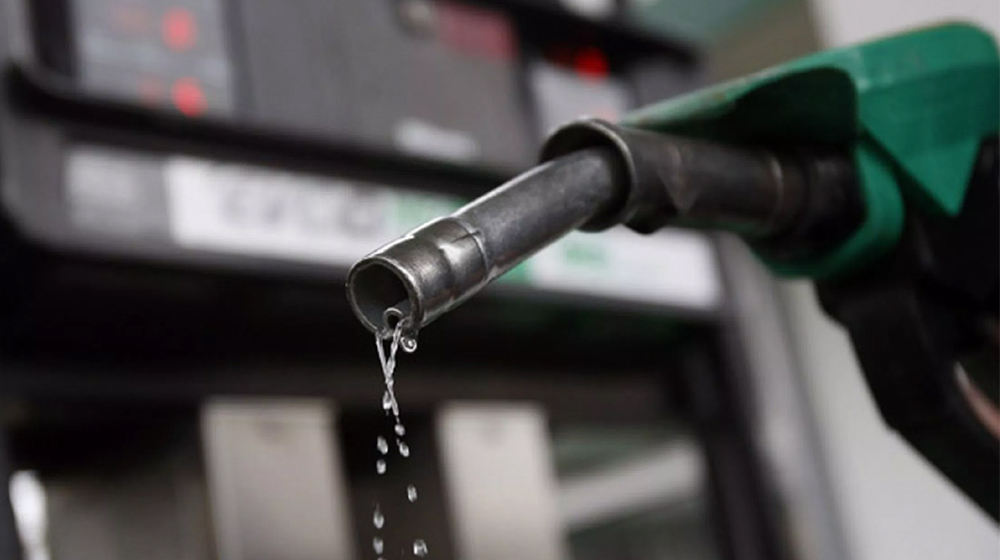
Pakistan’s oil industry has strongly protested the record 18 to 20 percent cut in petroleum prices announced by the prime minister last week, calling the move unilateral, inconsistent with the approved pricing mechanism, and financially damaging for refineries and oil marketing companies.
Industry officials say the latest price reduction has caused an estimated Rs. 105 billion hit to oil refineries and OMCs, raising concerns that several companies could face serious financial distress or even bankruptcy.
An industry executive said the federal cabinet had approved the pricing mechanism four times in less than three months, but the method was repeatedly changed to the disadvantage of the sector during an already difficult period.
He said the government initially used a 15-day average when prices were rising, then shifted to a weekly average as import premiums and war risk surcharges increased, and later moved to crude-based pricing instead of product import pricing.
In the latest move, he said, the government used three-month average premiums even though the actual benchmark of Pakistan State Oil was not available. He added that this happened despite petroleum imports being reviewed and approved by the National Coordination and Management Council, a recently established civil-military forum dealing with energy supplies and pricing.
According to the industry, the ex-refinery price of diesel should have fallen by Rs. 30 per litre on June 19 under the prevailing formula, but instead it was reduced by Rs. 81 per litre through a cabinet decision taken by circulation without debate.
Officials said PSO alone was expected to suffer losses of around Rs. 50 billion following the latest adjustment, while Pak-Arab Refinery Company could face losses of about Rs. 25 billion. Other companies are collectively expected to lose another Rs. 30 billion.
The Oil Companies Advisory Council, which represents more than three dozen refineries and OMCs, has formally written to the government to protest the move and sought an urgent meeting with chief executives on Monday or Tuesday. According to official sources, that request has not been accepted for this week.
In its letter, the council expressed grave concern over what it described as continued unilateral petroleum pricing interventions by the government and their growing impact on the viability of Pakistan’s downstream petroleum sector.
The council said the industry had repeatedly warned about the financial consequences of abrupt pricing decisions and rising policy uncertainty, but decisions were still being taken without meaningful consultation with stakeholders responsible for maintaining fuel supplies and strategic petroleum inventories.
It said the latest price cut was implemented at the expense of the downstream petroleum industry through yet another revised pricing formula, causing significant financial exposure. Based on industry stocks of around 505,000 tonnes of petrol and 655,000 tonnes of high-speed diesel, the council estimated the value erosion at roughly Rs. 104 billion across refineries and OMCs.
According to the industry body, these losses represent a direct blow to working capital, liquidity, and shareholder value, and are not the result of inefficiency or market competition, but of unilateral policy action.
The council said the industry had continued to support the government’s energy security objectives and avoid supply disruptions despite growing pressure.
It warned that the petroleum sector, which had historically attracted major foreign investment in storage, logistics, retail development, and supply chain resilience, was now facing declining investor confidence because of policy instability.
The body said such investments were made on the basis of regulatory consistency, but repeated abrupt interventions could trigger investor exits, insolvencies, and possible bankruptcies among weaker players.
The industry also noted that OMCs had continued to maintain nationwide distribution and strategic inventories despite severe working capital pressures, while refineries had supported the national effort by capping HSD margins, maintaining pre-war kerosene pricing for the armed forces, supplying jet fuel for Haj flights at pre-war rates, and contributing more than Rs. 7 billion to reduce the price differential claim.
The council said these were shared sacrifices made in the national interest, but warned that continued policy shocks could further weaken the sector.
Stay Connected with ProPakistani
Get the latest business news, market insights, and economic updates wherever you prefer.
Add ProPakistani to Preferred Sources and see more of our stories in Google Search and Top Stories.













They are not telling how much they profited from increasing petrol prices.
when prices of oil increased in 150 morethan then they did not say they got profit in trillions .
What about the profits they haven’t declared yet on earning. It’s so absurd, the public should not be sympathetic with these companies. They profited a lot and must pay taxes to the government
greedy companies. these are the so called guys who killed the persons that invented cars running on water and running on air…